Common Baby Fashion Mistakes to Avoid
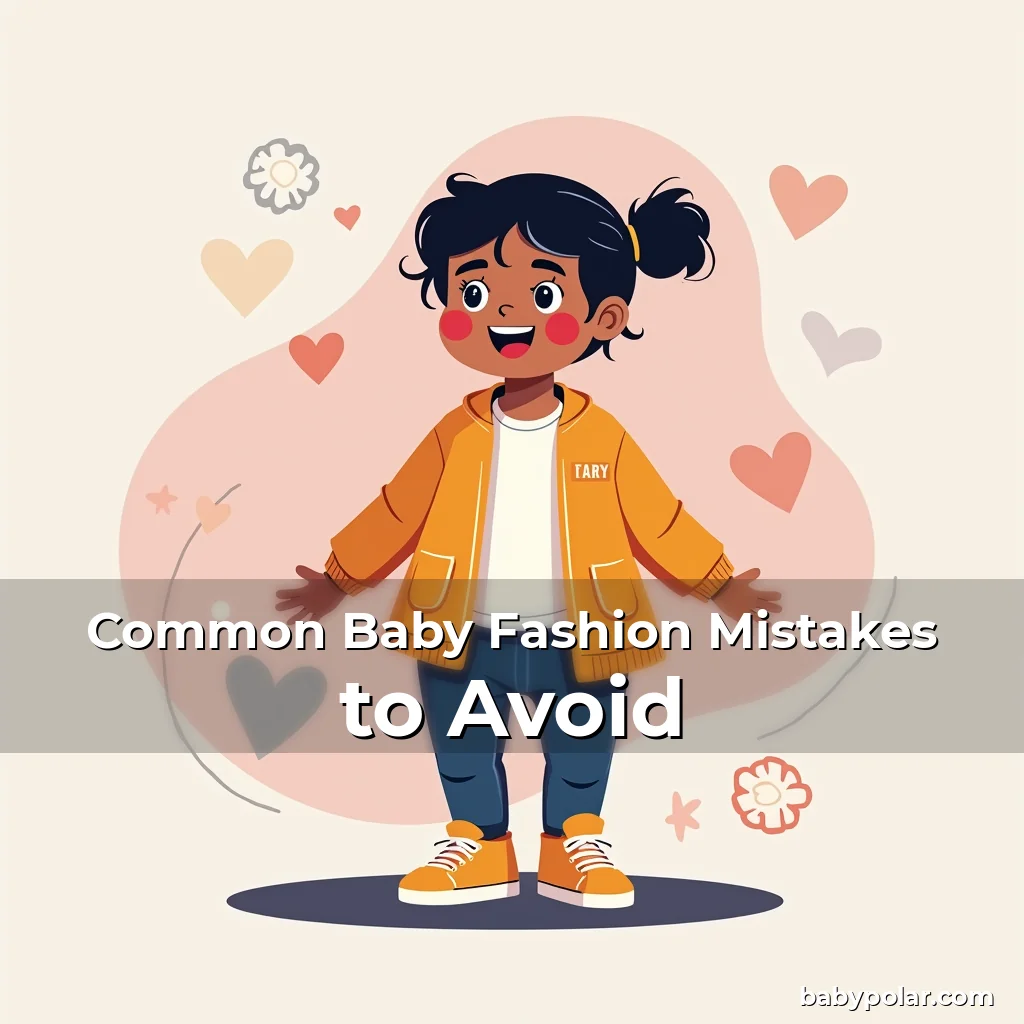
Common Baby Fashion Mistakes to Avoid
Baby fashion is more than just cute outfits—it’s about balancing comfort, safety, and style for your little one. As new parents explore the world of adorable babywear, they often overlook subtle yet impactful errors that can affect their child’s health, mobility, and overall experience. From over-accessorizing to ignoring seasonal appropriateness, these missteps can turn a joyful parenting moment into a stressful situation.
Understanding what goes wrong in baby fashion allows you to create a wardrobe that supports your child’s growing needs. Whether it’s selecting the right fabrics or avoiding harmful trends, being mindful of common pitfalls ensures your baby stays comfortable, safe, and stylish throughout their early years.
The Dangers of Over-Accessorizing Your Baby
Babies are naturally curious creatures, and while adding tiny hats, necklaces, or bows might seem harmless, over-accessorizing can pose serious risks. Excess jewelry, especially around the neck, increases the likelihood of choking hazards or strangulation. Even seemingly innocent embellishments like ribbons or clips can become tangled, causing discomfort or injury.
Furthermore, excessive accessories can interfere with your baby’s natural movements and development. A hat that sits too tightly on their head might limit blood flow, while bulky shoes or socks can hinder crawling or walking progress. Prioritize simplicity and function over flashy add-ons to protect your child’s wellbeing.
- Avoid loose strings or chains:** These can easily become entangled around a baby’s limbs or face, creating immediate danger.
- Limit decorative items:** Focus on essentials like soft hats or gentle hair ties that won’t pinch or irritate delicate skin.
- Check for small parts:** Any accessory smaller than a coin poses a choking risk and should never be worn near an infant.
Prioritizing Comfort Over Style
In the pursuit of cuteness, parents sometimes sacrifice comfort for trendy designs. However, ill-fitting or stiff clothing can cause rashes, chafing, or restricted movement. Babies thrive in soft, breathable fabrics that allow freedom of motion while adapting to their rapidly changing bodies.
Cotton blends, organic knits, and moisture-wicking materials are ideal for everyday wear. Avoid synthetic fibers or overly structured outfits that can trap heat or rub against sensitive skin. Always test clothing for flexibility and ease of movement before making bulk purchases.
The Science Behind Fabric Choices
Studies show that breathable fabrics reduce the risk of overheating—a critical concern for newborns. According to pediatric experts, overheating is linked to SIDS (Sudden Infant Death Syndrome) and should be avoided at all times. Opt for lightweight, stretchy materials that regulate body temperature effectively.
Additionally, hypoallergenic fabrics minimize allergic reactions, which are increasingly common among children with sensitivities. Choosing eco-friendly or certified organic textiles also supports sustainability efforts while protecting your baby’s health.
Neglecting Practical Clothing Features
Many baby outfits look adorable but lack functional design elements necessary for daily care. Without snap closures, zippers, or adjustable straps, changing diapers, bathing, or adjusting clothing becomes cumbersome. This oversight can lead to frustration for both parents and babies, especially during late-night feedings or diaper changes.
Functional clothing includes easy-on/off designs, secure fastenings, and pockets for storing essentials like pacifiers or wipes. Investing in versatile pieces with multiple uses—for instance, onesies that convert into rompers—can simplify routines and reduce clutter in your nursery.
Smart Storage Solutions for Baby Clothes
Organizing your baby’s wardrobe efficiently prevents unnecessary stress. Invest in labeled storage bins for separates, hanging organizers for frequently used items, and vacuum-sealed bags for out-of-season gear. Keeping essentials accessible ensures quick access during emergencies or sudden changes in weather.
Consider adopting a “rotation system” where only a few outfits are kept readily available, reducing overwhelm and encouraging sustainable consumption. This approach minimizes waste while ensuring your baby always has clean, ready-to-wear clothing.
Misjudging Seasonal Appropriateness
Dressing a baby for the weather requires careful consideration. In colder months, layering is essential, but too much insulation can lead to overheating. Conversely, lightweight clothing in warm climates might expose your child to sunburn or dehydration if not paired with protective measures like sunscreen or hats.
Seasonal dress codes vary significantly. Winter necessitates insulated jackets, mittens, and booties, while summer calls for breezy dresses or shorts made from cotton or bamboo. Observing local climate patterns and preparing accordingly ensures your baby remains protected year-round.
Signs of Overheating or Underdressing
Babies cannot regulate their body temperatures independently, so monitoring signs of distress is vital. Sweaty forehead, flushed cheeks, rapid breathing, or lethargy indicate overheating, whereas shivering, redness, or fussiness suggests underdressing. Adjust clothing promptly to maintain thermal balance.
Using thermometers designed for infants or checking the back of their neck for coolness provides accurate readings. Dressing in layers allows for easy adjustments depending on indoor and outdoor conditions, offering greater control over your baby’s comfort levels.
Ignoring Gender-Neutral Options
While some parents prefer traditional color schemes, clinging to rigid gender norms limits your child’s self-expression. Modern baby fashion embraces inclusivity through unisex designs, empowering kids to choose styles that align with their personalities rather than stereotypes imposed by society.
Gender-neutral clothing promotes confidence and autonomy in young children. Neutral tones like gray, navy, and pastel shades cater to diverse tastes and reduce the pressure of conforming to outdated expectations. Encouraging exploration of various styles fosters creativity and individuality from an early age.
Breaking Stereotypes Through Fashion
Research indicates that exposure to non-gendered playthings and attire enhances cognitive flexibility and social skills in toddlers. By offering a range of clothing choices regardless of perceived gender roles, you cultivate an environment where your child feels free to experiment with identity safely.
Supporting brands that champion diversity further reinforces positive messages. Many companies now produce inclusive lines featuring vibrant prints, adaptive designs, and sizes suitable for all genders. Embracing these innovations creates opportunities for meaningful conversations about equality and acceptance.
Choosing Ill-Fitting or Uncomfortable Garments
Tight clothing can restrict circulation, leading to soreness or delayed motor development. Likewise, oversized outfits may bunch up awkwardly, causing irritation or hindering coordination. Finding the perfect fit involves paying attention to seams, elasticity, and seam placement that accommodates active movements.
Look for stretchable waistbands, reinforced stitching at joints, and seamless construction to enhance comfort. Testing clothing on your baby before purchase ensures accuracy, preventing returns caused by sizing discrepancies. Consulting size charts and customer reviews adds another layer of assurance.
Adapting Outfits for Growth Spurts
Babies grow rapidly, requiring frequent outfit replacements. Selecting stretchy or adjustable clothing extends the lifespan of each piece, saving money and minimizing environmental impact. Brands specializing in adaptive wear often feature expandable hemlines or elastic inserts designed explicitly for growing bodies.
Investing in timeless basics like white tees, classic denim jeans, or neutral jumpers ensures versatility. These staples pair effortlessly with themed outfits, providing endless styling possibilities without the need for constant shopping trips.
Overlooking Safety Standards in Baby Clothing
Not all baby clothes meet rigorous safety regulations, particularly those sourced from unknown vendors or sold online. Inferior manufacturing practices may result in toxic dyes, weak seams, or flammable materials posing severe threats to infants’ health. Always verify certifications such as Oeko-Tex® Standard 100 or Global Organic Textile Standard (GOTS) when purchasing new items.
Reading product labels thoroughly reveals whether chemicals were used in production processes. Natural detergents recommended by dermatologists provide gentler alternatives compared to harsh commercial cleaners containing bleach or artificial fragrances.
Identifying Unsafe Fabrics and Treatments
Fabrics treated with flame retardants or chemical finishes often emit volatile organic compounds (VOCs). These substances accumulate indoors over time, potentially triggering allergies or asthma flare-ups in vulnerable individuals. Preference should go toward untreated linen, hemp, or GOTS-certified cotton whenever possible.
Eco-conscious consumers benefit from learning about greenwashing tactics employed by unethical marketers promising “natural” products without substantiating claims. Researching third-party verification programs helps distinguish genuinely ethical brands from fraudulent imitations.
Underestimating the Importance of Layering
Layering serves dual purposes: regulating body temperature and enhancing visual appeal. Thoughtfully layered ensembles provide protection against unpredictable weather shifts while enabling creative combinations that reflect parental style preferences alongside infant interests.
Begin with a base layer of thin, absorbent material followed by midlayers offering warmth and outer shells shielding against wind/water exposure. Utilize removable liners inside coats or vests for added convenience during transitions between indoor/outdoor environments.
Maximizing Versatility Through Strategic Layering
Multi-functional clothing items like reversible hoodies or convertible onesies maximize utility by serving multiple roles simultaneously. Such designs eliminate duplication expenses typically incurred when buying separate sets intended for distinct occasions.
Pairing complementary hues improves aesthetic cohesion. Monochromatic schemes work exceptionally well for minimalist approaches, whereas pattern mixing introduces fun flair without overwhelming visual senses.
Concluding Thoughts on Mindful Baby Fashion Choices
Awareness of common baby fashion mistakes empowers parents to build wardrobes prioritizing safety, comfort, and individual expression. Avoiding over-accessorization, selecting appropriate fabrics, and adhering to safety protocols collectively contribute to healthier childhood experiences shaped positively by informed decisions.
By embracing thoughtful strategies discussed here, caregivers foster environments conducive to exploring personal style confidently. Ultimately, nurturing awareness enables raising generations equipped with tools promoting responsible consumer habits rooted deeply in empathy towards future inhabitants of our planet Earth.

news is a contributor at BabyPolar. We are committed to providing well-researched, accurate, and valuable content to our readers.