A Mother’s Exposure to Phthalates during Pregnancy and Its Impact on Newborns
Phthalates and Their Role in Personal Care Products
Phthalates are a group of chemicals used to soften plastics and make them more flexible. They are commonly found in a variety of personal care products, including shampoos, soaps, and detergents. Plastic food and beverage containers also often contain phthalates. This widespread use of phthalates in everyday products raises concerns about their potential impact on human health.
The Risks of Phthalates on Human Health
Previous research has shown that phthalates can affect hormones and may be linked to various health problems, including reproductive issues and developmental disorders. These findings have led to increased scrutiny of phthalates and calls for stricter regulations on their use in personal care products and industrial applications.
Understanding the Impact of Phthalates on Newborns
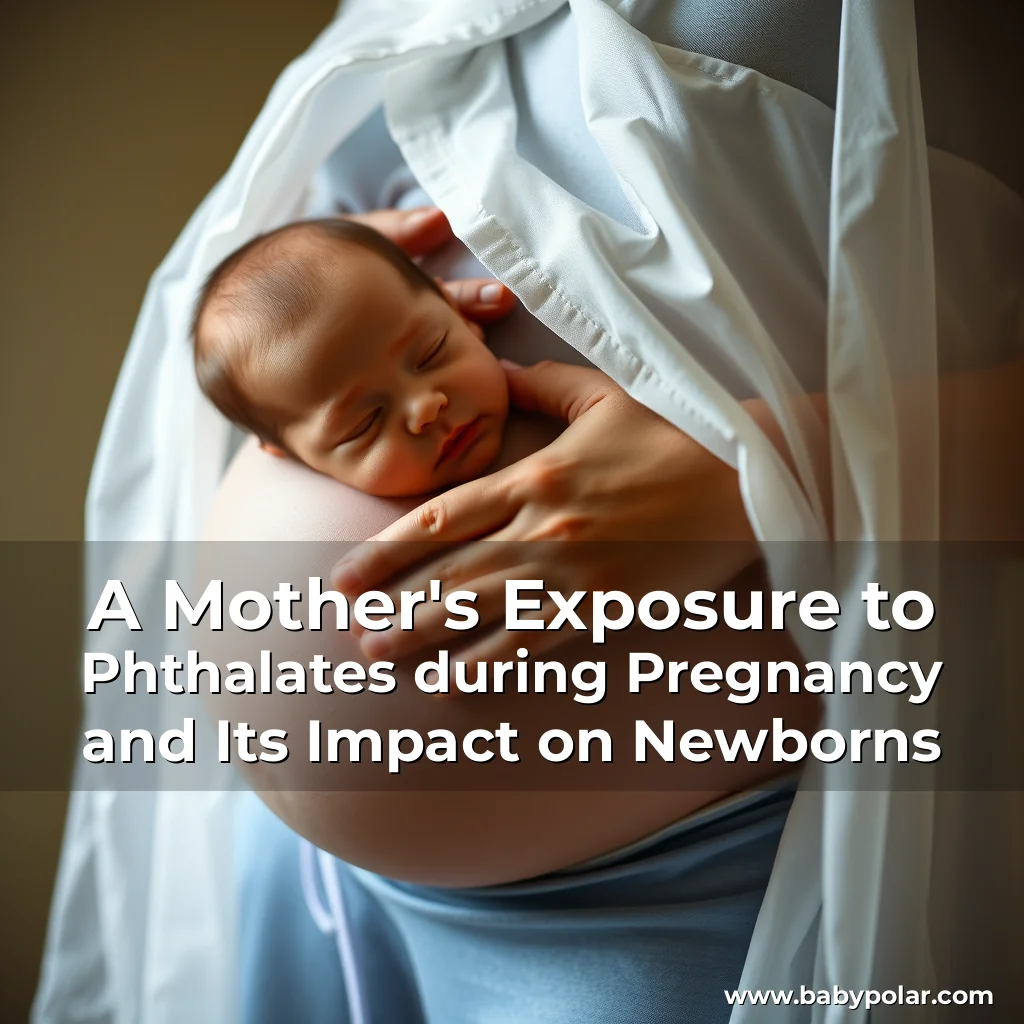
A recent study published in Nature Communications explored the relationship between a mother’s exposure to phthalates during pregnancy and the impact on her newborn’s metabolism and brain development. The study found that prenatal phthalate levels in the mother’s blood were associated with lower levels of key neurotransmitter precursors in the newborn’s blood.
- These neurotransmitter precursors are crucial for brain development and function
- Lower levels of these precursors have been linked to various cognitive and behavioral problems
Biological Changes in Newborns
The study also found that higher prenatal phthalate levels were associated with biological changes linked to lower information processing and excitability scores in newborns. This suggests that exposure to phthalates during pregnancy may have a lasting impact on infant brain development.
- Information processing and excitability are important aspects of brain function
- Lower scores on these measures have been linked to various developmental and behavioral problems
The Placenta: A Barrier or a Gateway?
There is a common misconception that the placenta protects the baby from harmful substances. However, this study provides evidence that phthalates can indeed cross through the placenta and impact the baby’s biology before birth.
“The placenta is not a magic shield that protects the baby from all harmful substances,” says Susan Hoffman, PhD, study first author. “Our study shows that phthalates can enter the baby’s body and disrupt their metabolism, even before they are born.”
Expert Opinions
The study’s findings have significant implications for our understanding of the impact of phthalates on human health. “This study is a game-changer,” says Donghai Liang, PhD, study lead author. “It shows that exposure to phthalates during pregnancy can have a lasting impact on infant brain development and behavior.”
| Expert | Comment |
|---|---|
| Susan Hoffman, PhD | “We are seeing that once pregnant women are exposed to phthalates, these chemicals not only enter their body and disrupt maternal metabolism, but these exposures also impact the metabolism and neurobehavioral functioning of newborns.” |
| Donghai Liang, PhD | “We found these substances are staying with them in the body after they are born, as we did see some indication of a biological disruption occurring among the newborn babies that has a further impact on the neurodevelopment system.” |
Conclusion
The study’s findings highlight the importance of reducing exposure to phthalates during pregnancy. By limiting our use of personal care products containing phthalates and choosing alternative products, we can help protect our babies from the potential negative effects of these chemicals. It is essential to continue researching the impact of phthalates on human health and to advocate for stricter regulations on their use. Only through a collaborative effort can we work towards creating a healthier environment for our children.

news is a contributor at BabyPolar. We are committed to providing well-researched, accurate, and valuable content to our readers.