Tariffs on Baby Gear: The Unseen Consequences of a Trade War
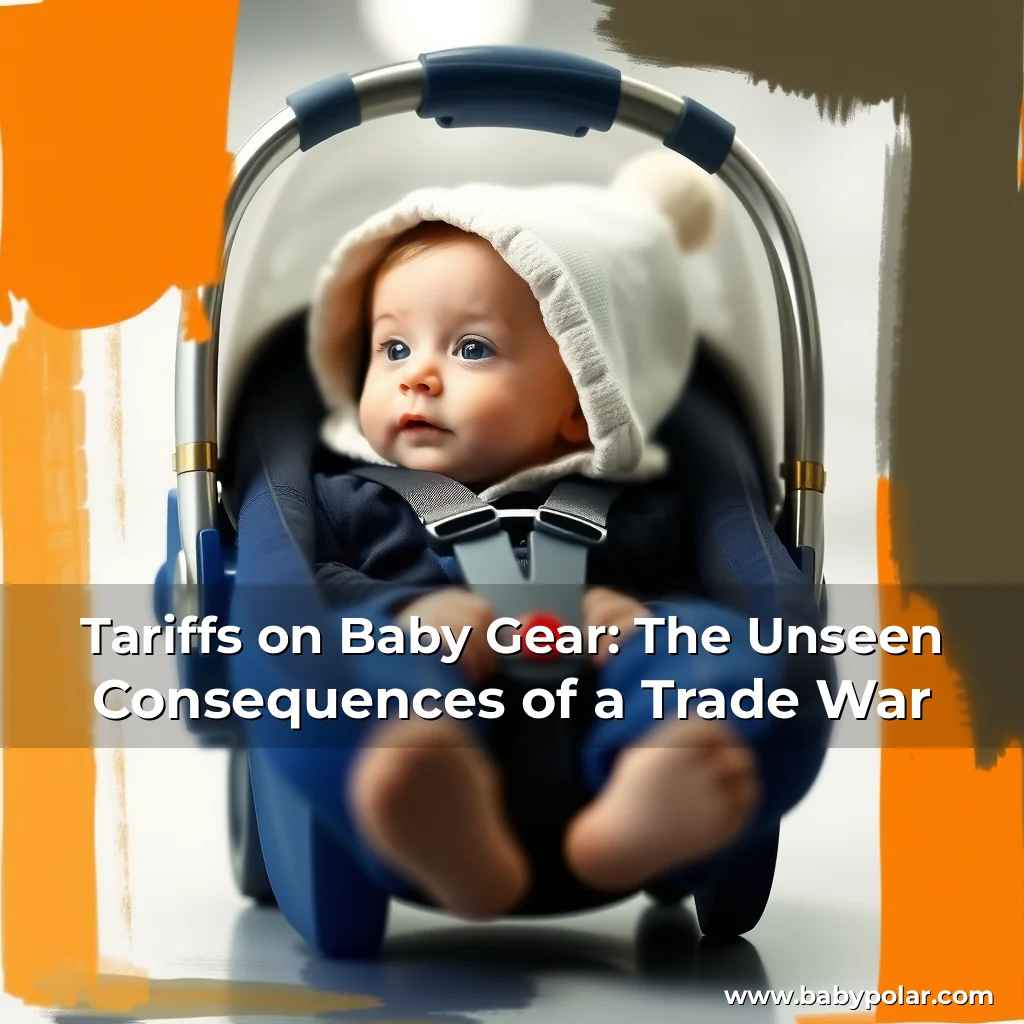
Tariffs on baby gear have hit American parents hard, forcing them to make a difficult choice between quality and affordability.
Sam Rutledge and his wife have a baby due in mid-July, so they thought they had a few more months to research and buy the gear they’ll need.
But President Donald Trump’s tariff announcement in early April turned the couple’s slow walk into a sprint.
“These are all pretty expensive under normal conditions, but when it became clear tariffs were coming we decided to buy them in case they became prohibitively expensive,” said Rutledge, who is a high school physics teacher.
Raising a child in America has never been cheap, with an estimated $20,384 spent in the first year alone.
But tariffs, which range from 10% for imports from most countries to 145% for imports from China, will make it many times more expensive for new parents.
An estimated 90% of the core baby care products and the parts that go into making baby paraphernalia — from bottles and diaper pails to strollers and car seats — are made in Asia, according to the Juvenile Products Manufacturers Association, a U.S. trade group.
“Overseas manufacturing has been the norm in our industry for decades,” said Lisa Trofe, the association’s executive director.
From California to China
In response to the tariffs, Munchkin Inc. CEO Steven Dunn halted orders from China and instituted a hiring freeze at Munchkin’s California headquarters, where 320 people are employed.
“There is no possibility of being able to pass on those tariffs” to customers in the form of price increases, he said.
Dunn said he tried to reduce his dependence on China in recent years, shifting some manufacturing to Vietnam and Mexico.
“There’s not enough tool makers and manufacturing expertise and automation and skilled labor in the U.S.

news is a contributor at BabyPolar. We are committed to providing well-researched, accurate, and valuable content to our readers.