


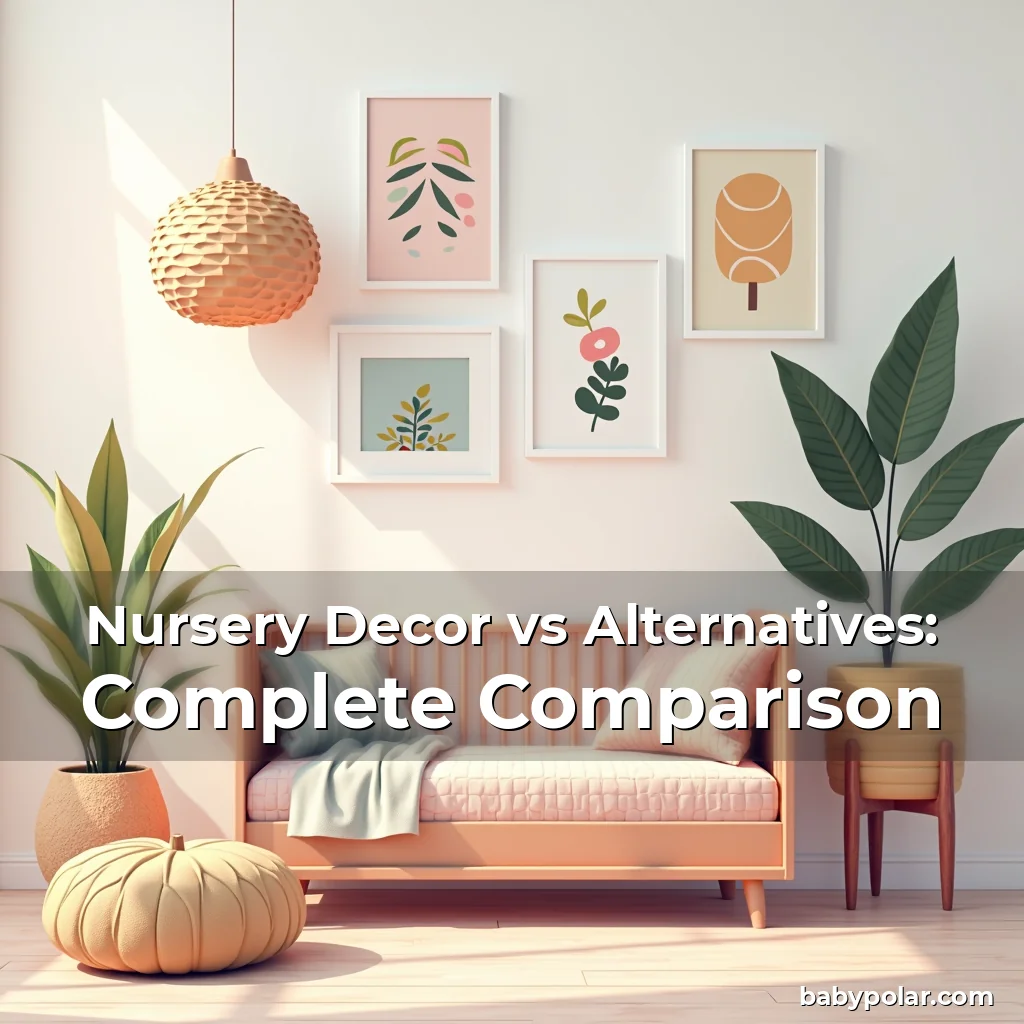
The Ultimate Nursery Decor Showdown: Styles, Trends & Practicality
Welcome to an in-depth exploration of nursery decor that goes beyond aesthetics. This guide is tailored specifically for parents at Babypolar who want practical yet beautiful spaces for their little ones.
In today’s world of endless design choices, understanding what truly works best in a baby’s environment can be challenging. We’ll compare popular styles while highlighting key considerations that ensure safety, comfort, and long-term usability.
The Evolution of Baby Room Design
Baby room design has transformed dramatically over decades. What was once limited to pastel colors and basic cribs now includes innovative solutions that combine functionality with visual appeal.
Modern nurseries often blend elements from various eras. This evolution reflects changing parenting philosophies as well as advancements in child development research.
Design trends have shifted significantly since the early 20th century when nurseries were primarily functional spaces. Today’s approach focuses equally on stimulation and emotional connection.
Top 6 Contemporary Nursery Styles
The modern marketplace offers numerous nursery decoration options. Here are six prominent styles currently dominating the scene:
- Mindful Minimalism: Focuses on open space and neutral tones for calming effects
- Romantic Rustic: Combines natural materials with soft textures and earthy hues
- Futuristic Tech: Incorporates smart devices and energy-efficient features
- Cosmic Whimsy: Features celestial themes with imaginative play elements
- Eco-Conscious Living: Prioritizes sustainable materials and non-toxic finishes
- Luxury Loft: Blends urban chic with high-end furnishings and bold accents
Each style presents distinct advantages depending on family needs and lifestyle preferences. Understanding these differences helps create a personalized space that grows with your child.
Materials Matter: Safety First
Selecting appropriate materials is crucial for any nursery. The right choice ensures both safety and durability without compromising on style.
Toxins present in certain paints and fabrics pose serious health risks. Opt for certified low-VOC products that meet strict environmental standards.
Soft surfaces like rugs and curtains require special attention due to potential choking hazards. Choose washable, flame-resistant alternatives whenever possible.
Durable furniture is essential for active infants who explore constantly. Look for pieces designed with rounded edges and stable bases.
Functional Layouts That Work
A well-thought-out layout enhances daily routines and supports developmental milestones. Consider how each element contributes to overall usability.
Smart placement of essentials like diaper bags, bottles, and wipes creates efficient workflow during busy times. Keeping frequently used items within reach reduces stress for caregivers.
Creating zones within the nursery encourages different activities. A sleep zone, play area, and work station allow seamless transitions between tasks.
Versatile storage solutions maximize floor space while maintaining organization. Invest in multi-functional furniture that adapts to growing needs.
The Science Behind Color Psychology
Color selection impacts mood and behavior in significant ways. Understanding color psychology helps create environments that support healthy development.
Soothing blues and greens promote relaxation and calmness, making them ideal for nap areas. Warm yellows and oranges stimulate alertness but may be too stimulating for sleep.
Pastels provide gentle stimulation without overwhelming young minds. Avoid bright primary colors which can cause sensory overload in sensitive babies.
Neutral tones offer flexibility, allowing easy updates as tastes change. They also serve as excellent backdrops for colorful decorations and artwork.
Lighting Solutions For Every Need
Proper lighting transforms a nursery from ordinary to extraordinary. Different types of illumination serve varied purposes throughout the day.
Layered lighting combines ambient sources with task lighting for optimal visibility. Install dimmer switches to adjust brightness according to activity levels.
Recessed ceiling lights provide even coverage without harsh shadows. Table lamps add warm glow perfect for nighttime feedings and reading sessions.
Consider LED nightlights featuring soft, adjustable settings. These minimize disruption while offering necessary illumination during late-night care moments.
Personalization Through Art and Accessories
Adding personal touches makes a nursery uniquely yours while fostering a sense of belonging for your child. Thoughtfully chosen accessories enhance the space without clutter.
Custom wall art featuring names, birth dates, or meaningful symbols adds sentimental value. Frame collections of photos taken before the baby’s arrival for nostalgic displays.
Interactive elements like touch-sensitive walls or musical mobiles encourage cognitive development through engagement. Choose age-appropriate toys that double as decorative pieces.
Textured wall coverings introduce tactile experiences alongside visual stimulation. Ensure all accessories comply with current safety regulations regarding small parts and flammability.
Decorating On A Budget
Create stunning nursery spaces without spending excessively by embracing creative strategies. Strategic shopping yields great results with careful planning.
Shop secondhand markets for gently used furniture at fraction of retail prices. Thrift stores often carry stylish pieces suitable for reupholstering or repainting.
DIY projects transform everyday objects into personalized décor. Paint plain wooden crates or fabricate custom shelves using affordable materials.
Utilize free resources available online including printable wall art templates and virtual decorating tools to visualize changes before purchasing physical items.
Maintaining Your Nursery Over Time
A well-designed nursery requires ongoing maintenance to preserve its condition and effectiveness. Regular upkeep keeps the space safe and visually appealing.
Establish cleaning schedules focusing on high-touch surfaces and textiles. Implement a rotation system for decorations to prevent stagnation and keep things fresh.
Periodically reassess furniture arrangements based on evolving needs. As children grow, their spatial requirements shift requiring adjustments in layout.
Stay informed about new developments in child-friendly materials and technology. Upgrades can enhance safety and functionality while keeping the space current.
Conclusion
This comprehensive look at nursery decor reveals there’s much more than meets the eye when creating a baby’s first room. Balancing beauty with practicality leads to better outcomes for both parent and child alike.
Your nursery should reflect not only aesthetic preferences but also support your family’s unique lifestyle. With thoughtful consideration of every aspect covered here, you’re poised to create a magical space where precious memories will be made.
“`html
“`


news is a contributor at BabyPolar. We are committed to providing well-researched, accurate, and valuable content to our readers.
You May Also Like


Baby Sleep Solutions on a Budget: Money-Saving Tips
The Ultimate Baby Sleep Hacks: Affordable Strategies for Restful Nights Every parent knows how challenging it can be to get...

Baby Feeding Step-by-Step Tutorial
The Ultimate Baby Feeding Journey: A Parent's Essential Handbook Welcome to your essential guide through the world of baby feeding!...

Baby Fashion vs Alternatives: Complete Comparison
Baby Fashion vs Alternatives: Complete Comparison In an era where style meets practicality, baby fashion has emerged as both an...

Sustainable Baby Products Step-by-Step Tutorial
The Ultimate Guide to Choosing Sustainable Baby Products for Eco-Conscious Parents In an era where environmental awareness is paramount, parents...