


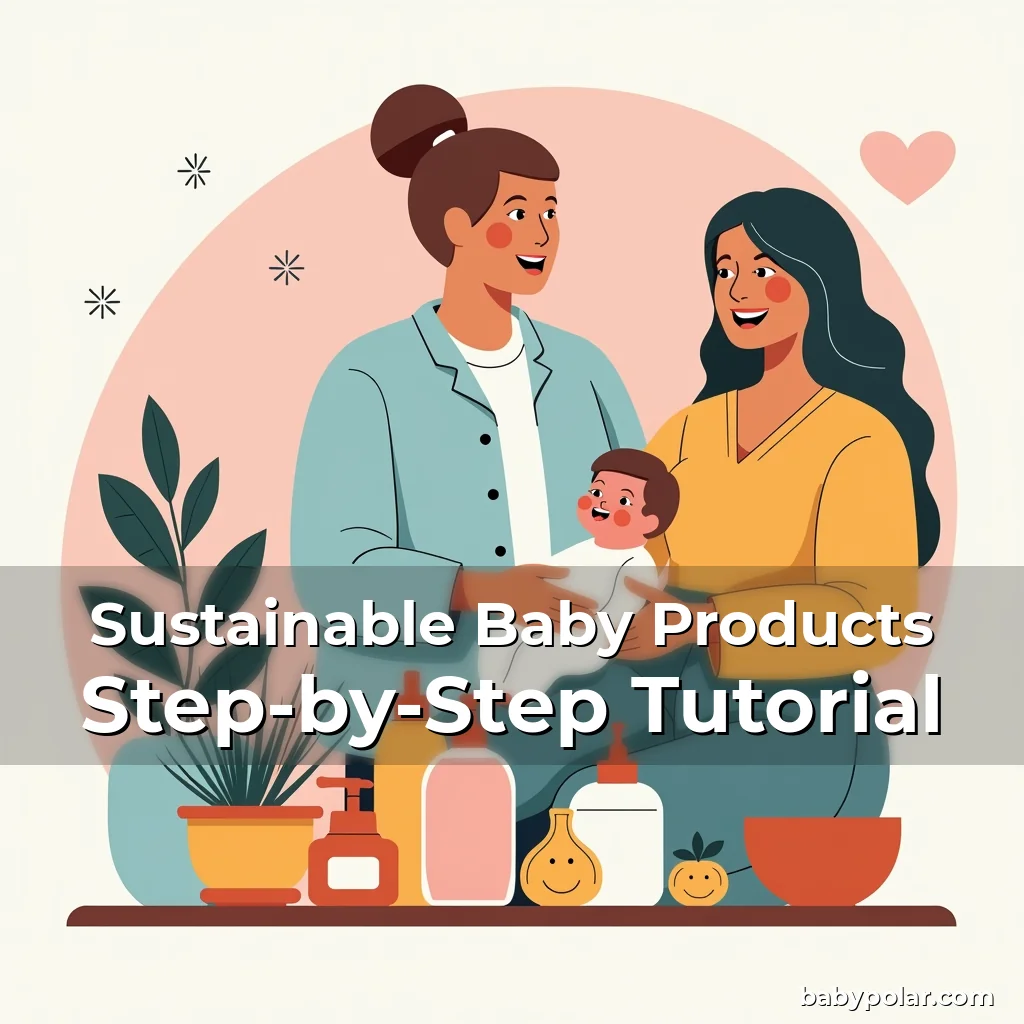
The Ultimate Guide to Choosing Sustainable Baby Products for Eco-Conscious Parents
In an era where environmental awareness is paramount, parents are increasingly seeking sustainable baby products that align with their values without compromising on safety or quality. The market has responded by offering eco-friendly alternatives across diapers, clothing, toys, and beyond.
From biodegradable wipes to organic cotton onesies, making the switch to sustainability doesn’t mean sacrificing comfort or convenience for your little one. This guide will walk you through everything you need to know to make informed choices.
Understanding What Makes a Product Truly Sustainable
Sustainability isn’t just a buzzword—it’s a commitment to reducing environmental impact at every stage of a product’s lifecycle. For baby products, this means considering materials, manufacturing processes, packaging, and end-of-life disposal options.
Many products claim to be green but lack third-party certifications. Look for reputable labels such as USDA Organic, Fair Trade Certified, or B Corp certification to ensure authenticity.
A truly sustainable product avoids harmful chemicals found in conventional items. These include synthetic dyes, phthalates, parabens, and pesticides used in non-organic farming practices.
- Biodegradability: Opt for products that break down naturally without leaving toxic residues.
- Circular Economy Principles: Choose brands that offer recycling programs or take-back initiatives.
Local sourcing can also contribute to sustainability by reducing carbon footprints associated with transportation. Supporting local artisans often leads to fair wages and ethical labor practices.
Eco-Friendly Diapers: A Game-Changer for Sustainability
Demand for eco-friendly diapers continues to grow as parents seek ways to reduce waste while keeping their babies comfortable. Traditional disposable diapers generate millions of tons of landfill waste each year.
Biodegradable and compostable diaper options now provide viable solutions without sacrificing absorbency or leak protection. Brands like Tushies and Eco Pea Pods lead the way with innovative designs.
Purely Natural Diapers uses plant-based materials including cornstarch and bamboo fiber. Their diapers decompose within months under industrial composting conditions compared to traditional plastic-based options which take centuries.
While cloth diaper systems require upfront investment, they significantly cut long-term costs and eliminate single-use plastics entirely from your routine.
Consider the full life cycle when choosing between disposables and reusable options. Both have pros and cons depending on lifestyle needs and environmental priorities.
Organic Clothing: Softness Meets Sustainability
Organic cotton clothing offers numerous benefits over conventionally farmed textiles. It eliminates exposure to harsh pesticides and fertilizers commonly used in regular cotton production.
Look for garments made from GOTS-certified organic cotton to guarantee rigorous standards around chemical usage during both growing and processing phases.
Made-in-the-USA brands like Burt’s Bees Baby and Pact Premium Organic Clothing prioritize ethical manufacturing alongside using natural fibers.
Recycled fabric blends represent another promising trend. Companies repurpose post-consumer plastic bottles into soft, durable fabrics suitable for infant wear.
Wool wraps and muslin cloths serve dual purposes—acting as swaddles while being washable and reusable for years with minimal environmental impact.
Safe & Non-Toxic Toys That Nurture Growth
Selecting safe playthings goes hand-in-hand with sustainability efforts. Many traditional plastic toys contain BPA, PVC, and other harmful substances detrimental to child development.
Natural rubber teething rings made from latex harvested sustainably help satisfy infants’ chewing instincts safely. Wooden toys crafted from FSC-certified wood promote creativity while supporting responsible forestry practices.
Toys constructed from recycled materials demonstrate how innovation meets ecological responsibility. Brands like PlanToys utilize reclaimed wood and water-based paints free from volatile organic compounds.
Rainbow Resource Center stocks various educational kits featuring earth-conscious themes—from solar-powered gadgets to DIY seed planting sets that teach children about nature early on.
Interactive digital devices should come with energy-efficient ratings and recyclable components whenever possible to minimize electronic waste generation later in life.
Green Bath Time Essentials for Tiny Explorers
Creating an environmentally friendly bathing ritual starts with selecting gentle yet effective skincare products formulated without petroleum-derived ingredients.
Shampoo bars and soap tablets replace liquid toiletries packed in single-use plastic containers. They’re easy to transport and last longer than bottled versions typically sold in supermarkets.
Liquid soaps packaged in refillable glass bottles maintain hygiene standards while cutting down on plastic consumption dramatically. Check labels carefully for palm oil avoidance since unsustainable harvesting threatens wildlife habitats globally.
Fabric bath poufs infused with natural oils outlast foam rubber counterparts which degrade quickly after repeated washing cycles.
Reusable silicone nursing pads and breast pump parts reduce reliance on frequently replaced disposables—an essential consideration during breastfeeding journeys.
Sustainable Feeding Solutions: From Bottles to Bibs
Eco-conscious feeding routines begin with selecting BPA-free baby bottles designed for durability rather than disposability. Glass or stainless steel bottles become heirlooms passed among family members over generations.
Food storage containers made from tempered glass resist odors better than plastic equivalents. Silicone food bags provide flexible alternatives perfect for storing snacks on-the-go without generating additional waste.
Bamboo bibs treated with natural finishes withstand countless launderings before needing replacement unlike paper-based disposable options which contribute heavily to landfills annually.
Stainless steel sippy cups equipped with shatterproof straws encourage independent drinking skills while eliminating concerns related to microplastic ingestion present even in supposedly’safe’ plasticware.
Investing initially seems expensive but pays off through reduced replacements and lower overall expenditure over time compared to continually purchasing new supplies periodically.
Educational Tools Encouraging Green Habits Early On
Introducing young minds to conservation principles lays groundwork for lifelong habits respecting our planet. Educational resources tailored specifically toward toddlers foster understanding through hands-on experiences.
Books illustrated with vibrant pictures depicting endangered species raise awareness about biodiversity loss facing ecosystems worldwide today.
Board games focused on renewable energy sources help reinforce concepts regarding clean power alternatives available right now versus fossil fuel dependencies still prevalent commercially.
Activity centers incorporating elements like wind turbines or solar panels allow kids to experiment with alternative energies tangibly before ever reaching school age academically.
Parents modeling conscious consumer behavior themselves becomes most powerful lesson any child could receive about living sustainably effectively everyday.
Community Resources Supporting Sustainable Parenting Choices
Accessing local networks dedicated exclusively towards promoting greener lifestyles helps connect families sharing similar goals successfully navigating challenges together cohesively.
Joining online forums allows exchanging practical tips regarding product reviews, price comparisons, and maintenance advice spanning diverse categories relevant universally applicable scenarios encountered regularly.
Participating actively within cooperative buying groups reduces financial burden considerably enabling broader access opportunities otherwise unaffordable individually despite collective interest existing widely enough potentially.
Volunteering locally contributes positively reinforcing personal convictions simultaneously building stronger ties linking people mutually benefitting everyone involved personally professionally spiritually too.
Attending workshops hosted by certified experts ensures acquiring up-to-date knowledge necessary confidently applying learned strategies practically beneficially accurately consistently thereafter permanently forward.
Conclusion
Choosing sustainable baby products requires thoughtful research, careful evaluation, and ongoing education about emerging trends reshaping industries continuously evolving rapidly currently.
By prioritizing health considerations alongside ecological responsibilities, parents empower future generations inherit cleaner environments thriving harmoniously with nature instead struggling against degradation relentlessly occurring daily everywhere globally.


news is a contributor at BabyPolar. We are committed to providing well-researched, accurate, and valuable content to our readers.
You May Also Like


Baby Shower Best Practices 2025
Baby Shower Best Practices 2025 In an era where baby showers have evolved from simple gatherings to immersive experiences, understanding...

Best Toddler Activities Tips and Strategies
Best Toddler Activities Tips and Strategies Toddlers are at an exciting stage where their curiosity and energy levels peak, making...

Professional Baby Warm: Advanced Techniques
Unveiling the Science Behind Professional Baby Warm Care The art of keeping newborns at an optimal body temperature is not...
Toddler Activities on a Budget: Money-Saving Tips
Toddler Activities on a Budget: Money-Saving Tips BabyPolar members often seek creative ways to entertain and educate their little ones...