


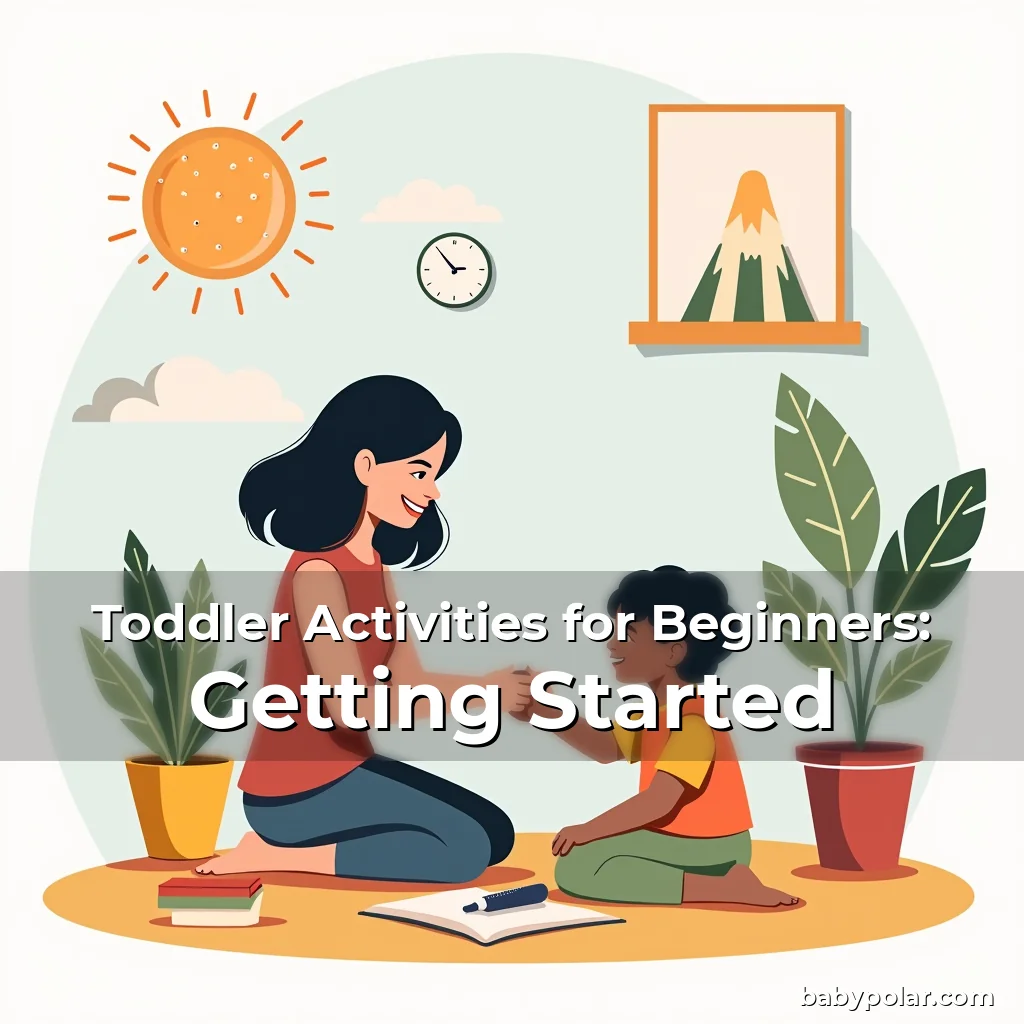
Toddler Activities for Beginners: Getting Started
Welcome to the exciting world of toddler development through play! As parents, caregivers, and early childhood educators, you’re likely searching for creative ways to engage young children aged 18 months to 3 years old. These formative years are crucial for cognitive growth, motor skills refinement, and emotional intelligence building.
The right activities can transform ordinary moments into learning opportunities that spark curiosity and foster lifelong skills. Whether you’re seeking indoor options during rainy days or outdoor adventures on sunny afternoons, there’s an activity tailored to every toddler’s needs and interests.
Fundamental Principles of Toddler Play
Understanding the basics of toddler play is essential before diving into specific activities. At this age, children develop rapidly across various domains including gross motor skills, fine motor coordination, language acquisition, and social interaction abilities.
Play serves as the primary vehicle for learning at this stage. It promotes problem-solving capabilities while allowing toddlers to explore their environment safely and meaningfully. The key is to create experiences that match their developmental milestones rather than pushing them beyond their current capacities.
Simple sensory-based activities often yield significant results. For example, playing with textured materials helps build tactile awareness which later supports handwriting skills. Similarly, musical exploration enhances auditory processing and rhythm perception.
It’s crucial to remember that each child develops at their own pace. While some may show advanced vocabulary earlier, others might excel in physical coordination. Observing your toddler’s preferences will help identify what types of activities they find most engaging.
- Sensory engagement: Incorporate elements that stimulate sight, sound, touch, taste, and smell for holistic development.
- Motor skill integration: Choose activities that naturally involve both large muscle movements and precise hand-eye coordination exercises.
- Cognitive stimulation: Present challenges that encourage critical thinking without overwhelming the child’s capacity to process information.
- Social-emotional learning: Facilitate interactions where sharing, turn-taking, and empathy can be practiced organically.
By establishing these foundational principles, you’ll be better equipped to select appropriate activities that support healthy development while keeping playtime enjoyable for everyone involved.
Indoor Toddler Activity Ideas
Create a safe and stimulating environment within your home by incorporating simple yet effective indoor activities. These ideas ensure continued learning even when weather conditions prevent outdoor excursions.
Begin by designating a dedicated space for creative expression using washable paints, crayons, and paper. This not only fosters artistic ability but also builds confidence as children see their efforts transformed into tangible creations.
Incorporate dramatic play areas with dress-up clothes and props that allow imaginative role-playing scenarios. Pretending to cook meals or visit different places encourages narrative thinking and expands vocabulary through thematic conversations.
To promote gross motor development indoors, set up obstacle courses using pillows, blankets, and soft toys. This type of play improves balance, coordination, and spatial awareness while providing much-needed physical exercise.
A quiet corner with books, puzzles, and building blocks offers excellent cognitive stimulation opportunities. Reading together strengthens literacy foundations while manipulative toys enhance problem-solving skills through trial-and-error experimentation.
Creating a Sensory-Based Learning Zone
Educational research indicates that multisensory experiences significantly boost memory retention and conceptual understanding in young learners. Establishing a designated area filled with diverse textures, colors, and interactive elements maximizes developmental benefits.
This zone could include items such as kinetic sand for tactile exploration, bubble blowers for visual-auditory stimulation, and music boxes featuring nature sounds to enrich environmental awareness. Carefully curated resources make learning feel like fun instead of structured lessons.
Regularly rotating materials keeps the experience fresh and prevents boredom from setting in too quickly. Introducing new textures monthly maintains novelty while still adhering to safety standards for infants and toddlers alike.
The beauty of this approach lies in its adaptability – whether focused on enhancing sensory discrimination or promoting calmness through soothing stimuli, the possibilities are endless once the foundation has been established.
Outdoor Toddler Activities
When possible, take advantage of outdoor spaces to provide varied sensory input and physical movement opportunities. Fresh air and natural environments offer unique advantages over purely indoor play settings.
Park visits become ideal learning experiences when approached intentionally. Look for playgrounds with climbing structures that challenge balance and upper body strength while open grassy areas invite running games that reinforce cardiovascular health.
Nature walks let toddlers discover seasonal changes firsthand, developing observational skills through identification of leaves, flowers, insects, and birds. Encouraging them to collect fallen twigs or pebbles transforms simple strolls into treasure hunts filled with discovery.
Gardening projects teach responsibility and patience as small plants grow under careful tending. Even container gardening allows participation from those with limited yard access who want to connect their little ones with plant life cycles.
Water play during warmer seasons becomes especially beneficial for temperature regulation and water displacement concepts. Setting up shallow wading pools provides cooling relief along with hands-on science experiments involving floating objects.
Developmental Milestones Through Play
Tailoring activities to align with specific developmental stages ensures optimal learning outcomes. Recognizing individual progress markers allows parents to choose appropriately challenging tasks that neither frustrate nor bore the child.
During the first year after turning two, toddlers typically begin mastering basic self-care routines like feeding themselves. Activities focusing on improving dexterity through cutting practice or zipping clothing contribute directly to achieving these goals.
Linguistic developments accelerate rapidly between ages two and three. Engaging in conversation-rich activities such as storytelling sessions or singing songs reinforces phonemic awareness while expanding expressive vocabularies.
Social skills flourish during pretend play scenarios where children learn cooperation and negotiation techniques. Structured group activities facilitate positive peer relationships formation through shared objectives requiring teamwork.
Observant caregivers notice subtle cues indicating readiness levels for various types of play. Some kids prefer solitary activities initially while others thrive best in social contexts; respecting these differences leads to more successful engagements overall.
Technology Integration in Toddler Activities
While screen time remains controversial among experts, responsible usage can complement traditional play methods effectively. Educational apps designed specifically for young children introduce fundamental concepts through interactive formats.
Choose applications with parental controls ensuring content suitability based on age-appropriate guidelines. Optimal choices prioritize educational value over entertainment factors alone, offering activities centered around shapes recognition, letter tracing, or basic math operations.
Videos containing sing-along nursery rhymes serve dual purposes – they entertain while reinforcing rhythmic patterns and pronunciation accuracy simultaneously. Limit viewing durations strictly following recommended daily limits advised by pediatric associations.
Interactive e-books featuring touch-screen features enhance comprehension through multi-sensory involvement. Animated illustrations respond dynamically to user inputs making reading sessions more immersive compared to conventional picture books.
Balancing digital exposure with ample unstructured playtime maintains equilibrium necessary for wholesome development. Think of technology as supplemental tool rather than replacement for real-life exploration experiences.
Mealtime as an Educational Opportunity
Transform everyday mealtimes into valuable teaching moments that extend beyond nutritional intake. Involving toddlers in food preparation processes introduces them gradually to kitchen safety procedures and basic cooking skills.
Sorting fruits and vegetables by color teaches categorization abilities while measuring ingredients reinforces numerical concepts practically. Letting them spread peanut butter onto bread slices develops fine motor control required for writing later on.
Setting tableware out independently builds independence and organizational skills. Assigning specific utensils for particular foods requires decision-making processes similar to choosing correct answers during academic assessments.
Engaging discussions about where food comes from deepen ecological understanding and appreciation for agriculture workers’ roles in society. Making connections between meal components and bodily functions makes biology lessons relatable and digestible literally!
Establishing regular eating schedules creates structure benefiting digestive systems while instilling healthy habits that carry forward into adulthood seamlessly.
Seasonal Toddler Activity Suggestions
Capitalizing on changing seasons offers special chances to integrate themed activities that reflect annual climate variations uniquely experienced by toddlers each year.
Winter brings snow-related play opportunities perfect for building sledding ramps or crafting snowmen using household materials. Indoor alternatives include creating winter landscapes with cotton balls representing snowflakes on blue construction paper backgrounds.
Spring invites garden planting sessions where children observe seed germination firsthand. Birdwatching expeditions become feasible as migratory species return, providing quality bonding time spent outdoors listening carefully to avian calls.
Summer days lend themselves well to beach trips emphasizing sun protection education alongside constructing sandcastles demonstrating architectural concepts visually. Water balloon fights test strategic thinking regarding positioning for optimal impact.
Fall presents harvest festivals where picking pumpkins turns into math exercises counting how many were collected successfully. Leaf collecting quests develop sorting abilities according to size, shape, and color characteristics.
Community Engagement Opportunities
Participating actively within local communities exposes toddlers to diverse cultures and social norms shaping future perspectives positively. Libraries host storytimes that combine book readings with craft projects enhancing literacy development interactively.
Museums feature exhibits specifically tailored for young visitors showcasing hands-on displays encouraging exploration through touch screens, mini train rides, and live animal encounters. Field trips broaden horizons by exposing preschoolers to professional environments like fire stations or farms.
Volunteering opportunities matching family values cultivate compassion early on; helping prepare meals at soup kitchens or assisting pet adoption events demonstrate kindness tangibly. Social service experiences lay groundwork for civic responsibility instilled from infancy onwards.
Attending cultural celebrations lets toddlers appreciate diversity through dance performances, costume parades, and culinary samplings representative of global traditions. Such exposures nurture tolerance and respect toward people unlike oneself growing up surrounded predominantly by familiar faces.
Joining parent groups provides networking platforms sharing resources efficiently while supporting mental wellness through mutual encouragement during parenting journeys fraught sometimes with challenges.
Special Needs Considerations
Adapting activities thoughtfully accommodates varying developmental needs ensuring inclusive experiences benefit all participants equally regardless of abilities present. Sensory-friendly modifications reduce overwhelm caused by excessive stimuli potentially distressing sensitive individuals.
Using weighted blankets during nap times calms anxious toddlers needing extra proprioceptive feedback for relaxation. Visual schedules employing pictures assist nonverbal communicators understand routine expectations reducing anxiety related uncertainty.
Adaptive equipment like grip-assisted spoons enables independent eating attempts despite motor delays preventing feelings of inadequacy during meals. Modified art supplies featuring larger handles accommodate decreased hand strength facilitating participation fairly easily.
Speech therapists recommend augmentative communication devices programmed with personalized vocabulary sets so children expressing difficulties verbally gain alternative means conveying wants accurately. Music therapy sessions use instruments tuned for easier manipulation promoting self-expression joyously.
Collaboration between families and professionals guarantees strategies remain consistently applied across home-school settings maintaining continuity vital for skill mastery progression smoothly overtime.
Conclusion
Toddler activities encompass numerous dimensions catering precisely to evolving needs throughout early childhood phases distinctly marked by rapid transformation occurring continuously day-by-day.
Whether preferring indoor explorations cultivating imagination or adventurous outdoor pursuits strengthening bodies physically, diverse options exist meeting varied priorities comfortably aligned perfectly with personal lifestyles readily adaptable flexibly whenever circumstances shift unexpectedly.


news is a contributor at BabyPolar. We are committed to providing well-researched, accurate, and valuable content to our readers.
You May Also Like


Sustainable Baby Products Best Practices 2025
Sustainable Baby Products Best Practices 2025 In today’s world, raising a child means navigating a complex web of choices—from feeding...

Baby Sleep Solutions vs Alternatives: Complete Comparison
Baby Sleep Solutions vs Alternatives: Complete Comparison In today's parenting landscape, navigating the world of baby sleep solutions feels both...
Baby Accessories vs Alternatives: Complete Comparison
Baby Accessories vs Alternatives: Complete Comparison In today’s world, parents are overwhelmed by the sheer variety of baby accessories available....

Parenting Resources Best Practices 2025
Parenting Resources Best Practices 2025 In an era where parenting is both celebrated and scrutinized, access to reliable information has...