


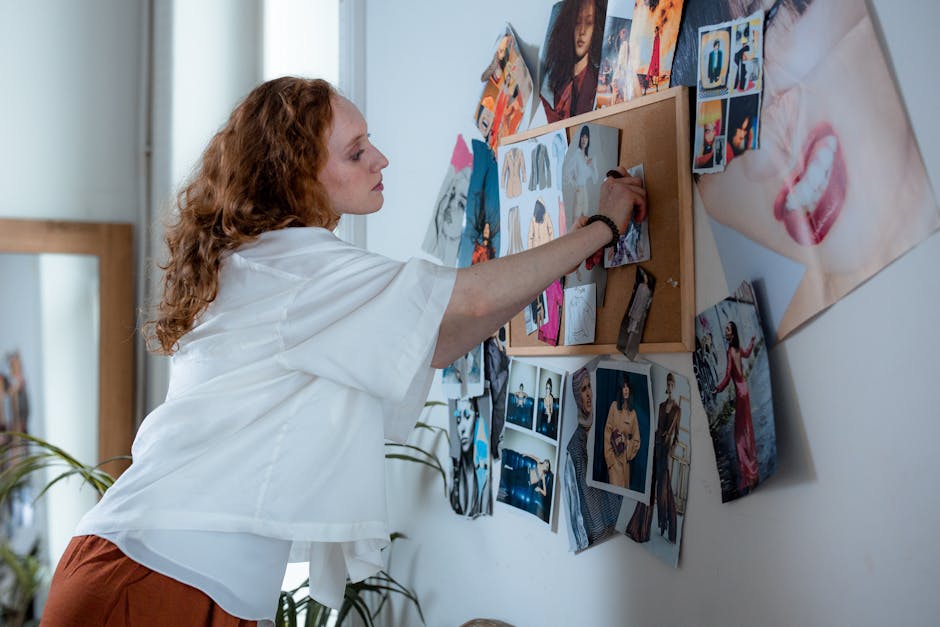
The Art of Baby Fashion: Curating Style from Birth to Toddler Years
In an era where personal expression begins at birth, parents are increasingly embracing the concept of baby fashion as both a functional necessity and a creative outlet. The evolution of infant clothing has transformed from simple onesies to curated outfits that reflect individuality while prioritizing comfort and safety.
Baby fashion today blends practicality with aesthetics, offering families opportunities to express their values through color choices, fabric selections, and design elements. This guide explores how to navigate the dynamic world of children’s apparel with confidence and creativity.
Evolving Trends in Infant Clothing
Modern baby fashion reflects shifting cultural attitudes toward self-expression even in early childhood development stages. Designers now create collections that balance playful patterns with breathable materials suitable for sensitive skin.
Trend forecasting in babywear often mirrors broader fashion movements but adapts them for tiny sizes. From minimalist monochromatic sets to bold graphic tees, current trends emphasize versatility without compromising functionality.
- Mix-and-match basics: Neutral-toned bodysuits and rompers allow for easy outfit combinations across different occasions
- Sustainable fabrics: Organic cotton and bamboo blends have become industry standards due to their hypoallergenic properties and environmental benefits
Seasonal variations significantly influence baby clothing choices. Lightweight muslin wraps remain popular during warmer months, while thermal layers gain importance in colder climates. Understanding these seasonal needs helps parents prepare appropriate wardrobes ahead of time.
The rise of gender-neutral designs reflects changing societal perspectives on child identity formation. Many brands now offer unisex options that prioritize comfort over traditional stereotypes associated with specific colors or styles.
Fundamental Principles of Baby Styling
Creating stylish yet practical outfits requires understanding key styling principles tailored specifically for infants. Comfort remains paramount when selecting any piece of baby clothing.
A well-rounded baby wardrobe should include essential items that provide both protection and flexibility. Considerations such as ease of dressing, breathability, and mobility must be balanced against aesthetic preferences.
Dressing babies appropriately for different environments is crucial. Indoor wear differs greatly from outdoor attire, requiring attention to factors like temperature regulation and UV protection.
Layering techniques can maximize versatility in limited closet space. Using accessories strategically allows for quick transformations between casual and dressy looks without excessive shopping.
Color Theory in Baby Apparel
Choosing effective color palettes enhances visual appeal while considering developmental aspects. Research indicates that certain color combinations may stimulate cognitive development in young children.
Soft pastels remain popular choices for newborns, creating gentle visual experiences that align with their developing senses. As babies grow older, brighter hues can help develop color recognition skills.
Contrasting colors aid in motor skill development by helping infants distinguish objects clearly. Incorporating complementary shades creates visually appealing ensembles that also support sensory growth.
Cultural considerations play a role in color selection. Some traditions associate specific colors with particular meanings related to health, happiness, or protection for newborns.
Essential Pieces Every Newborn Needs
Newborn care demands specialized clothing designed for delicate skin and frequent changes. Onesies form the foundation of every baby’s wardrobe, providing necessary coverage and convenience.
Pajamas serve dual purposes – they ensure comfort during sleep while allowing for easy diaper changes throughout the night. Breathable fabrics prevent overheating, which is critical for safe sleep practices.
Hats and headbands protect vulnerable scalps from sun exposure while adding stylistic flair. Choosing wide-brimmed varieties offers better UV protection than caps with narrow brims.
Socks and booties maintain body warmth, especially during cooler seasons. Opting for open-toe designs allows for easier foot inspections and prevents potential circulation issues.
Navigating Seasonal Wardrobe Changes
Transitioning between seasons presents challenges in maintaining appropriate baby clothing. Layering strategies enable efficient use of existing garments across varying temperatures.
Springtime brings lighter fabrics and breathable materials ideal for fluctuating weather conditions. Mixing lightweight sweaters with cotton dresses provides adaptability to sudden temperature shifts.
Summer necessitates heat-resistant fabrics that wick away moisture effectively. Loose-fitting garments promote airflow around the baby’s body, reducing sweat accumulation.
Autumn introduces transitional pieces like cardigans and vests that bridge the gap between warm days and cool evenings. These versatile items extend the usability of summer clothes.
Building a Functional Baby Wardrobe
An organized approach to baby clothing ensures readiness for various situations without unnecessary clutter. Establishing a rotation system keeps frequently used items accessible while storing less-used pieces out of sight.
Investing in quality basics pays long-term dividends through durability and comfort. While trendy items might seem appealing, timeless staples form the backbone of any successful baby wardrobe.
Considering future growth when purchasing clothes reduces waste and saves money over time. Slightly oversized items accommodate rapid growth spurts common in infancy.
Storage solutions tailored for baby clothing optimize available space. Utilizing drawer dividers and hanging organizers maintains order without taking up too much room.
Styling Tips for Different Occasions
Special events require careful consideration of appropriate attire that balances style with practicality. Formal gatherings call for elegant yet comfortable clothing that doesn’t restrict movement.
Family outings benefit from versatile outfits that transition easily between indoor and outdoor settings. Choosing washable fabrics simplifies cleanup after messy encounters.
Photo sessions demand coordinated looks that highlight features without overwhelming the subject. Soft textures and flowing lines create flattering silhouettes for portraits.
Playdates need outfits that encourage physical activity while remaining presentable. Stretchy fabrics and secure fastenings allow for freedom of motion without sacrificing appearance.
Introducing Sustainable Practices in Baby Fashion
The growing awareness of environmental impact has led many parents to seek sustainable alternatives in baby clothing. Eco-friendly production methods reduce harm to ecosystems while maintaining high-quality standards.
Organic cotton remains one of the most environmentally responsible fabric choices available. Its cultivation avoids harmful chemicals that could potentially affect a baby’s sensitive skin.
Recycled polyester offers a durable alternative with reduced carbon footprint compared to virgin synthetic fibers. It retains moisture-wicking properties while being kinder to the planet.
Buying second-hand or renting baby clothes minimizes textile waste and supports circular economy models. Thoroughly washing pre-owned garments eliminates potential hygiene concerns before use.
Shopping Smart: Navigating the Market
Selecting reliable retailers involves researching brand reputations and customer reviews. Prioritizing companies with transparent manufacturing processes builds trust in product quality.
Online shopping provides access to wider variety but requires caution regarding sizing accuracy. Cross-referencing measurements with brand-specific guidelines ensures correct fit.
Department stores offer the advantage of immediate availability but may lack niche specialty products found online. Combining both approaches maximizes options without unnecessary delays.
Subscription services streamline replenishment of essentials like diapers and wipes while offering curated recommendations based on usage patterns.
Caring for Baby Clothes
Proper maintenance extends the lifespan of baby clothing while preserving its integrity. Following manufacturer instructions carefully prevents damage caused by improper washing techniques.
Using mild detergents formulated for sensitive skin protects against irritation. Avoiding harsh bleach or fabric softeners maintains fabric breathability and absorbency.
Drying methods matter greatly; air drying preserves garment structure better than machine drying. Hanging items properly prevents stretching and shape distortion.
Storing cleaned clothes in sealed containers protects against dust mites and pests. Regular cleaning of storage areas maintains hygienic conditions for stored items.
Conclusion
The journey of curating baby fashion becomes an enriching experience when approached thoughtfully. By combining practical knowledge with personal style, parents can create beautiful wardrobes that evolve alongside their child’s growth.
Embracing this process with patience and curiosity transforms everyday dressing into meaningful interactions that celebrate each stage of development through thoughtful sartorial choices.


news is a contributor at BabyPolar. We are committed to providing well-researched, accurate, and valuable content to our readers.
You May Also Like


Quick Infant Development Solutions Under 30 Minutes
Quick Infant Development Solutions Under 30 Minutes In today's fast-paced world, parents often seek efficient yet effective ways to support...
Baby Products: Essential Tools and Resources
Baby Products: Essential Tools and Resources Welcome to *Baby Products: Essential Tools and Resources*, your definitive guide to navigating the...
Professional Baby Products: Advanced Techniques
The Ultimate Guide to Selecting Premium Baby Products for Modern Parents In today's fast-paced world, parents are increasingly seeking high-quality...
Common Nursery Decor Mistakes to Avoid
Common Nursery Decor Mistakes to Avoid Welcome to a world where every detail matters—your baby's nursery is not just a...