


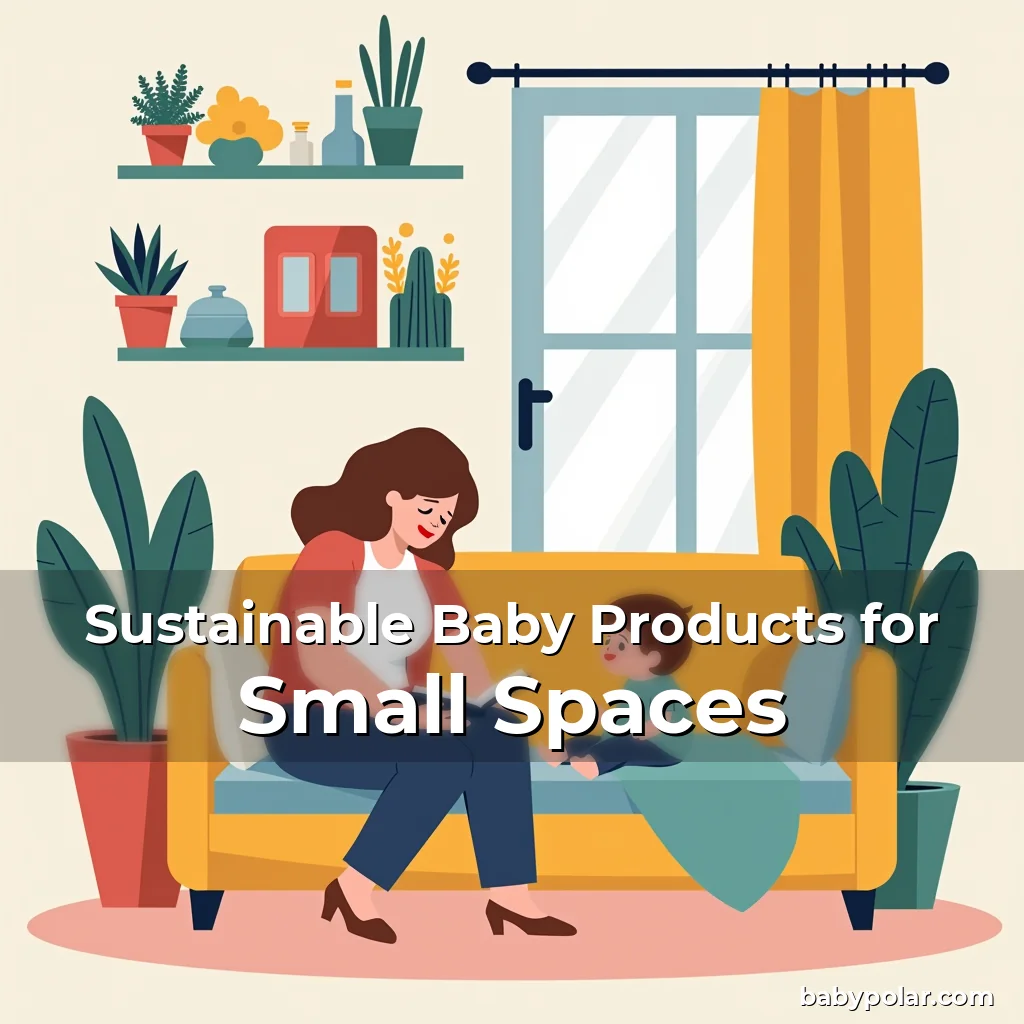
Sustainable Baby Products for Small Spaces
In today’s world, conscious consumerism is reshaping how we approach parenthood. For families navigating life in compact homes, urban apartments, or shared living spaces, choosing sustainable baby products isn’t just a trend—it’s a necessity.
The shift toward sustainability addresses environmental concerns while optimizing limited square footage. From diaper alternatives to multi-functional furniture, eco-friendly solutions empower parents to reduce waste without compromising convenience or safety.
What Makes a Product Truly Sustainable?
Sustainability in baby products goes beyond labeling. It involves sourcing, production, longevity, and disposal. A truly sustainable item minimizes ecological harm at every stage of its lifecycle.
Eco-friendly materials play a crucial role. Organic cotton, bamboo, and Tencel are renewable resources that require fewer chemicals and water than conventional fabrics. These materials also decompose naturally, reducing landfill burden over time.
Durability is equally vital. High-quality products last longer, cutting down on replacements. Reusable items, such as cloth diapers or stainless steel bottles, exemplify this principle by eliminating single-use plastic dependency.
Certifications like GOTS (Global Organic Textile Standard) or USDA Organic provide assurance that products meet rigorous environmental and social criteria. Parents should prioritize verified labels to avoid greenwashing claims.
- Ethical Manufacturing: Brands committed to fair wages and safe working conditions align with global sustainability goals.
- Biodegradability: Items that break down naturally after use contribute less to pollution and resource depletion.
- Made Locally: Supporting nearby producers reduces carbon emissions tied to transportation and fosters economic resilience.
Eco-Friendly Diapers: A Game-Changer for Space-Conscious Families
Diaper selection is one of the most impactful decisions for environmentally aware parents. Traditional disposable diapers take centuries to degrade, creating massive landfill waste annually.
Reusable cloth diapers offer a compelling alternative. With modern designs featuring waterproof outer layers and soft inner linings, they combine convenience with sustainability. When paired with wet bags for transport, they fit seamlessly into minimalist lifestyles.
Type Varieties and Considerations
Cloth diaper systems vary from prefolds requiring folding expertise to all-in-one models akin to disposables. Hybrid options include inserts for added absorbency during overnight hours.
Bamboo-based disposable diapers present another solution. Though still containing synthetic components, they degrade faster and use fewer petroleum-derived materials than standard alternatives.
Parents must weigh initial costs against long-term savings. While cloth diapers demand upfront investment, their lifespan spans years, offsetting expenses over time.
Proper maintenance is essential. Using mild detergents without fabric softeners preserves elasticity and prevents microplastic release during washing cycles.
Organic Cotton Clothing: Softness Meets Sustainability
A baby’s wardrobe can quickly fill closets, especially when considering growth spurts. Opting for organic cotton garments ensures gentle wear for delicate skin while minimizing environmental strain.
Conventional cotton cultivation relies heavily on pesticides and fertilizers, polluting soil and water sources. Organic farming eschews these toxins, preserving biodiversity and protecting farmworkers’ health.
Fashion-forward parents appreciate versatile styles that transcend seasons. Neutral tones and classic patterns allow mixing pieces creatively, maximizing closet efficiency without frequent shopping trips.
Washing techniques further enhance sustainability. Cold water cycles reduce energy consumption, while air drying instead of machines conserves electricity and extends garment lifespan.
Toys Made from Natural Materials: Safe Exploration for Little Hands
Toys are foundational for early learning, but many contain harmful substances like lead or phthalates. Choosing natural material toys safeguards children while honoring planetary boundaries.
Wooden blocks, rattles, and teething rings crafted from FSC-certified wood promote tactile development without chemical exposure. Ensure finishes are non-toxic and free from synthetic dyes.
Recycled plastic toys offer another avenue. Repurposed ocean plastics transformed into building sets or activity centers embody circular economy principles.
Purchase from companies prioritizing child-safe packaging. Biodegradable wraps or refillable containers minimize plastic waste associated with toy delivery and storage.
Bamboo & Glass Bottles for Healthier Feeding Habits
Nursery essentials like baby bottles often come lined with Bisphenol A (BPA), a substance linked to developmental issues. Bamboo and glass alternatives eliminate this risk entirely.
Bamboo bottle bodies combined with silicone nipples provide lightweight yet sturdy feeding vessels. Their antimicrobial properties resist mold buildup, ideal for busy households.
Glass bottles excel in heat retention, preventing bacterial growth in warm liquids. However, parents must exercise caution due to fragility risks with active toddlers.
Both materials are fully recyclable. When shattered, glass can be processed anew, whereas bamboo decomposes organically after end-of-life disposal.
Natural Cleaning Products for Baby’s Safety
Kitchen and bathroom surfaces near infants require thorough cleaning, but commercial cleaners often harbor volatile compounds detrimental to respiratory health.
Vinegar diluted with water serves as an effective disinfectant. Its acidity neutralizes germs without leaving toxic residues behind. Combine with baking soda for scrubbing grime off highchair trays or countertops.
Olive oil mixed with lemon juice creates a safe polishing agent for wooden furniture. This homemade cleaner nourishes grain while removing fingerprints or smudges effortlessly.
Store purchased natural cleaners in glass jars to prevent chemical leaching from plastic containers. Look for ingredients like tea tree oil or grapefruit seed extract known for antibacterial efficacy.
Reusable Changing Pads & Accessories
Luxurious disposable changing mats may seem convenient, but their daily replacement contributes significantly to household trash volume.
Invest in padded foam or quilted linen covers that snap onto a rigid base frame. These bases withstand repeated laundering and maintain structural integrity month after month.
Pair with travel-sized wet bags equipped with internal compartments for separating dirty laundry. Some advanced models feature built-in wipes dispensers and secure closures for odor control.
Microfiber cloths replace traditional wipes for cleaning messes. After rinsing with water alone, they dry rapidly and reuse for wiping faces, hands, or spills anywhere within reach.
Multi-Functional Furniture: Maximizing Every Square Inch
In cramped quarters, furnishing choices become strategic rather than decorative. Modular units enable configuration changes as family dynamics evolve.
Convertible cribs transform into toddler beds or daybeds later, offering value across developmental phases. Choose models with solid hardwood construction to match eco-friendly ethos.
Storage ottomans double as seating when not holding baby gear. Lift-top designs reveal hidden shelves perfect for storing seldom-used items behind closed doors.
Wall-mounted racks organized with bias-cut panels maximize vertical space for hanging clothes or displaying favorite stuffed animals vertically instead horizontally.
Smart Investment Strategies for Long-Term Value
Transitioning fully to sustainability requires thoughtful financial planning. Prioritize core needs over novelty items that won’t see regular use.
Create a wish list categorized by urgency. Essential purchases like bedding, bottles, and car seats merit immediate funding. Schedule periodic reviews to reassess priorities seasonally.
Shop secondhand whenever possible. Thrift stores frequently stock gently used baby gear at drastically reduced prices compared to new markets. Inspect thoroughly before buying to confirm condition meets expectations.
Join online communities sharing swap events or donation drives. Local groups regularly organize monthly exchanges allowing members to pass along unused items responsibly.
Conclusion
Adopting sustainable baby products enriches both home environment quality and personal values. By embracing smart choices, even limited spaces flourish with functionality and style.
Begin small by replacing one non-sustainable item weekly. Track progress through habit-forming apps or journals tracking reductions achieved. Share successes openly to inspire others on similar journeys.


news is a contributor at BabyPolar. We are committed to providing well-researched, accurate, and valuable content to our readers.
You May Also Like

The Overwhelming Reality of New Motherhood
The Unforgiving World of New Motherhood When a couple welcomes a new baby into their lives, they may feel a...

Common Infant Development Mistakes to Avoid
Common Infant Development Mistakes to Avoid Welcome to an essential guide tailored for parents and caregivers who are navigating the...

Thyseed Revolutionizes Infant Care with Premium, Safety-Certified Feeding Solutions
Thyseed, an internationally renowned brand in infant care, is poised to introduce its premium and safety-certified feeding solutions to households...

Quick Parenting Tips Solutions Under 30 Minutes
Quick Parenting Tips Solutions Under 30 Minutes Raising healthy children doesn't require hours of research daily—it can happen through smart,...