


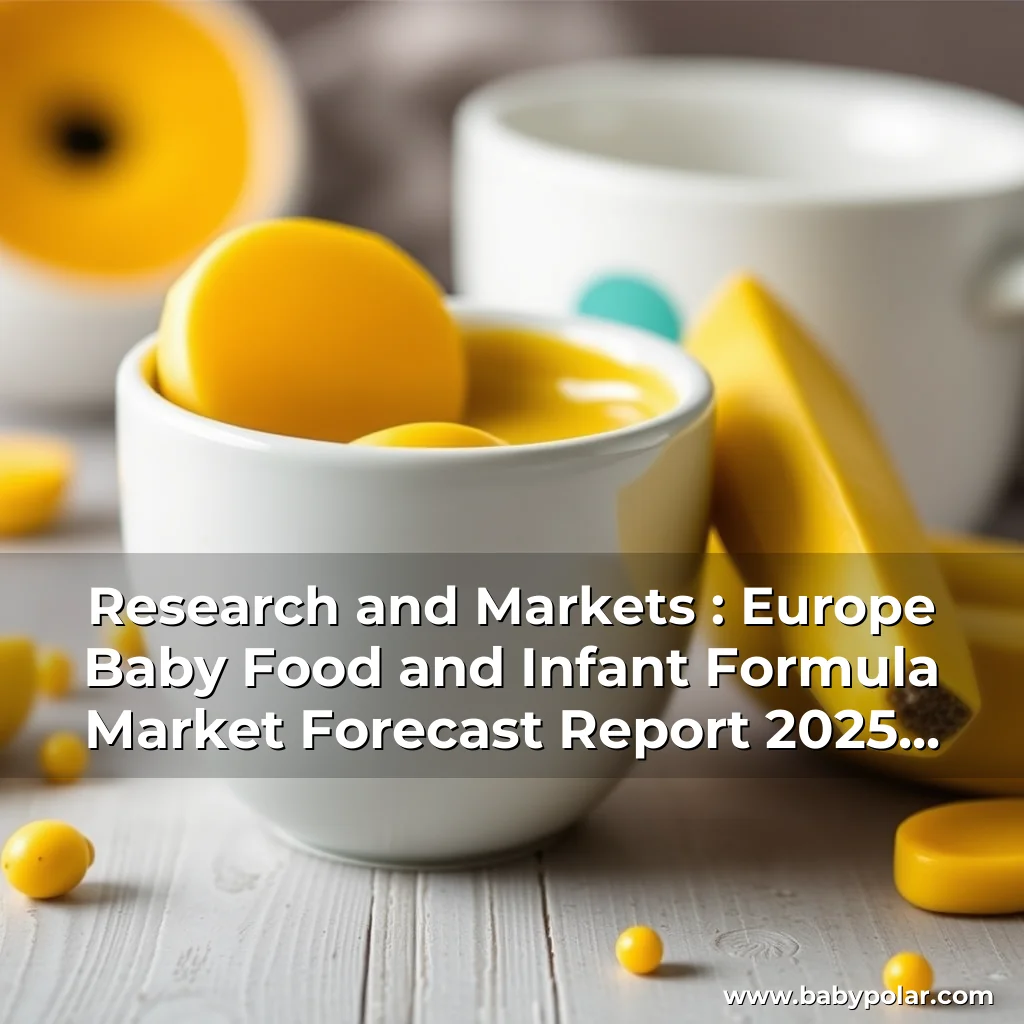
Busy schedules and working women are driving the demand for convenient and easy-to-use baby products. The Europe Baby Food and Infant Formula market is highly competitive with many market players, and the market is expected to grow at a compound annual growth rate (CAGR) of 7.3% from 2024 to 2033. The key drivers of this market are: Busy schedules and working women: The increasing number of working women in Europe and the growing number of dual-income households have led to a rise in the number of households with both working parents. This has resulted in a growing demand for baby products that cater to the needs of parents with busy schedules. Consumers’ busy schedules and work-life balance: The growing awareness of the importance of work-life balance and the increasing number of consumers who prioritize their personal and family time have driven the demand for baby products that are convenient to use and require minimal time and effort. Convenience and ease of use: The demand for baby products that are easy to use and require minimal time and effort has led to a growth in the sales of baby food and infant formula.
EU Birth Rates: A Historical Perspective
The European Union (EU) has experienced fluctuations in birth rates over the years, with some years seeing a significant increase in births, while others have seen a decline.
The Rise of the Baby Food Market
The baby food market has experienced a significant surge in demand in recent years, driven by the increasing number of births in European countries. This trend is expected to continue, with the market projected to reach $10.4 billion by 2025.
The baby food market is becoming increasingly competitive, with a wide range of products available in the market.
The Rise of Organic and Natural Baby Food
In recent years, the demand for organic and natural baby food has skyrocketed in Europe. Parents are becoming more aware of the potential risks associated with processed foods and additives, which can have long-term effects on their child’s health. As a result, many are turning to organic and natural baby food options as a safer and healthier alternative.
The Importance of Early Nutrition
Early nutrition plays a crucial role in a child’s development and growth. The first few years of life are critical in setting the foundation for a healthy and balanced diet.
Customization has become increasingly important, driven by the desire to maximize nutritional benefits and minimize the risk of allergies and other health issues. To address this, manufacturers have developed products with tailored formulations, such as those with specific protein sources, fiber content, or other nutrients. Another key driver of innovation in the European baby food and infant formula market is the growth of the natural and organic segment. Consumers are increasingly turning to these products, which are perceived as offering healthier alternatives to traditional baby food and infant formula. As a result, manufacturers are responding by creating new products that cater to these consumer preferences. This includes developing natural and organic formulas with unique blends of ingredients, such as fruits, vegetables, and whole grains.
The Rise of Customized Baby Food
Parents are increasingly seeking out baby food products that cater to their child’s unique needs. This shift in demand is driven by a growing awareness of the importance of early childhood nutrition and the desire for parents to provide their babies with the best possible start in life.
This includes testing and inspection, handling, and storage of ingredients. Moreover, manufacturers must also comply with regulations set forth by the FDA. In order to ensure compliance, manufacturers can implement various safety measures.
This growth is driven by increasing demand for premium and organic products, as well as the rising awareness of the importance of nutrition for infants and toddlers. The European Union has implemented various policies to support the growth of the baby food and infant formula market. These policies include:
These policies have contributed to the growth of the market, as they have encouraged companies to invest in research and development and to produce high-quality products. The European baby food and infant formula market is highly competitive, with several major players operating in the market. Some of the key players include:
These companies have a strong presence in the market and offer a wide range of products to consumers. The market is also characterized by a high level of innovation, with companies constantly developing new products and packaging. For example, Danone has introduced a new line of organic baby food products, while Nestle has launched a new infant formula with a unique blend of nutrients. The European baby food and infant formula market is expected to continue growing in the coming years, driven by increasing demand for premium and organic products. As the market continues to evolve, companies will need to adapt to changing consumer preferences and trends.
2 Convenience Stores 8.3 Online Retailers 8.4 Specialty Stores 9.1 Baby Food Manufacturers 9.2 Retailers 10.1 Global Market Size 10.2 Market Share 10.3 Market Growth Rate 10.4 Market Trends 11.1 Key Players 11.2 Market Competition 11.3 Market Outlook
Types of Baby Food
Baby food is a crucial component of a baby’s diet, providing essential nutrients for growth and development. There are several types of baby food available in the market, catering to different needs and preferences of parents. • Infant formula, breast milk, and pureed fruits and vegetables are some of the most common types of baby food.
The company provides a wide range of market research reports, including those on emerging markets, consumer goods, and technology.
Emerging Markets
ResearchAndMarkets.com also provides market research reports on emerging markets, which are crucial for businesses looking to expand their operations globally.


news is a contributor at BabyPolar. We are committed to providing well-researched, accurate, and valuable content to our readers.
You May Also Like

Baby Products: Essential Tools and Resources
Baby Products: Essential Tools and Resources Welcome to *Baby Products: Essential Tools and Resources*, your definitive guide to navigating the...
Quick Baby Products Solutions Under 30 Minutes
Quick Baby Products Solutions Under 30 Minutes Baby products are essential items that parents need to ensure their infants' safety,...
Tariffs on Baby Gear: The Unseen Consequences of a Trade War
Tariffs on baby gear have hit American parents hard, forcing them to make a difficult choice between quality and affordability....

Baby Products for Beginners: Getting Started
The Ultimate Baby Product Essentials Checklist Evaluating what constitutes 'essential' baby products requires considering both immediate needs and long-term usability....