


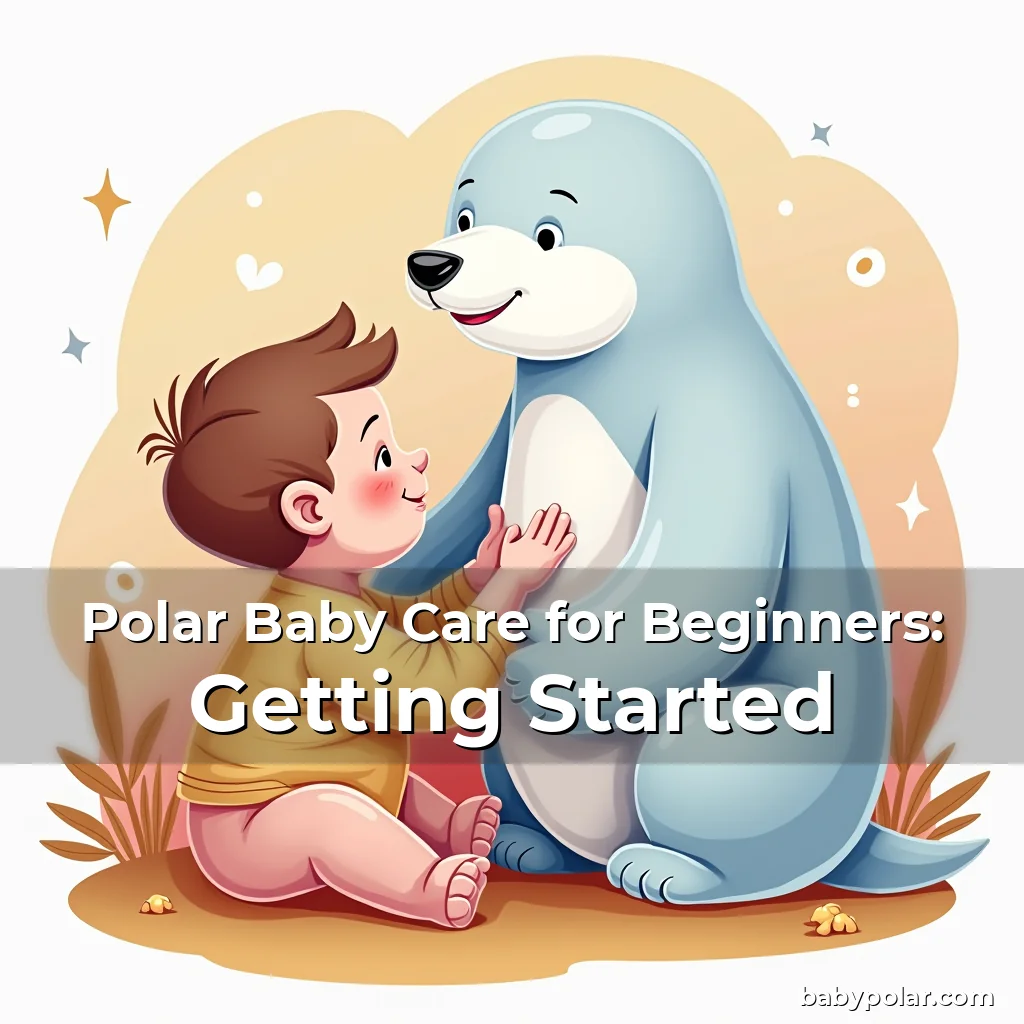
The Ultimate Manual for Nurturing Polar Babies: From Birth to Toddlerhood
Raising a baby in polar environments requires a unique blend of expertise, preparation, and adaptability. Whether you’re new to parenting in extreme cold or seeking advanced guidance, this guide explores everything from shelter design to medical considerations.
In regions where temperatures plummet below freezing and daylight hours shrink dramatically, standard childcare practices fall short. Specialized knowledge of polar baby care becomes essential to ensure your little one thrives in harsh conditions while maintaining warmth, safety, and developmental progress.
Decoding the Unique Physiology of Polar Babies
Babies born in or raised in polar climates exhibit distinct physiological traits shaped by years of adaptation. These features influence their metabolic rates, body fat distribution, and susceptibility to environmental stressors.
One striking characteristic is a higher proportion of brown adipose tissue—a type of fat that generates heat efficiently. However, this natural advantage comes with trade-offs, including increased energy demands and vulnerability to rapid temperature fluctuations.
Research shows that polar-born infants develop thicker subcutaneous layers earlier than their equatorial counterparts. While beneficial for insulation, this can complicate thermal regulation during sudden weather changes.
Parents must closely monitor core body temperature using wearable sensors designed for infant use. Regular checks prevent hypothermia risks during outdoor excursions or power outages.
- Skin Sensitivity: Polar babies often have hyper-sensitive skin prone to frostbite reactions. Barrier creams infused with shea butter and lanolin provide critical protection against windburn and dryness.
- Respiratory Adaptations: Breathing patterns differ significantly in low-oxygen environments. Early exposure to controlled altitude training may enhance lung capacity development.
- Digestive Efficiency: Their digestive tracts process nutrients differently to maximize caloric absorption. Pediatricians recommend tailored feeding schedules to match these biological rhythms.
Crafting an Optimal Living Environment
A well-designed habitat is non-negotiable for polar baby survival. Factors like insulation, humidity control, and radiant heat sources play pivotal roles in creating a safe microclimate around the infant.
Modern eco-friendly homes incorporate geothermal heating systems alongside triple-glazed windows. These innovations reduce reliance on fossil fuels while maintaining consistent internal temperatures.
Thermal Regulation Strategies
Studies reveal that ambient temperatures above 68°F (20°C) are ideal for polar infants’ thermoregulation. This range prevents excessive sweating while avoiding overheating risks.
Floor-to-ceiling radiators combined with smart thermostats enable precise temperature management. Programmable settings adjust automatically based on the baby’s age-specific requirements.
Humidity Management Essentials
Excessively dry air indoors can strip moisture from a polar baby’s delicate skin. Humidifiers equipped with HEPA filters combat this issue by maintaining optimal humidity levels.
Monitoring devices track relative humidity continuously. When readings dip below 40%, the system activates misters strategically placed near the crib area.
Nutrition: Fueling Growth in Extreme Conditions
Meeting nutritional needs becomes exponentially more challenging in polar environments. Limited access to fresh produce necessitates creative solutions for balanced diets.
High-calorie nutrient-dense foods take center stage. Blended smoothies incorporating flaxseeds, chia seeds, and frozen berries offer compact packages of vital micronutrients.
Milk production faces unique hurdles for nursing mothers. Cold-adapted dairy goats provide alternative milk sources rich in omega-3 fatty acids crucial for brain development.
- Vitamin D Supplementation: With minimal sunlight expo Dosage varies by latitude and season, requiring close pediatric monitoring.
- Probiotic-Rich Foods: Fermented items like kefir and sauerkraut support gut health, particularly important in sterile environments lacking diverse microbial exposure.
- Electrolyte Balance: Dehydration risk increases rapidly in cold climates. Electrolyte-infused water bottles ensure continuous hydration without disrupting milk supply.
Outdoor Safety Protocols for Polar Exploration
When venturing outside, even brief excursions demand meticulous planning. Weather patterns in polar regions can shift unpredictably within minutes.
All outings require layered clothing systems tested rigorously before deployment. Emergency shelters packed with thermal blankets serve as lifesaving backups.
GPS trackers embedded in snow boots prevent disorientation in whiteout conditions. Parents carry satellite phones capable of transmitting distress signals instantly.
Winter Play Safety Guidelines
Snow forts and sledding activities present unique hazards. Soft-surface landing zones constructed with foam padding mitigate injury risks during falls.
Before engaging in any outdoor play, infants undergo supervised acclimatization sessions. Gradual exposure builds tolerance without triggering adverse responses.
Educational Development in Isolated Environments
Limited access to traditional educational institutions poses challenges for cognitive development. Innovative approaches compensate for geographic isolation.
Augmented reality learning modules simulate global classrooms, allowing children to interact virtually with peers worldwide. Language acquisition benefits immensely from multilingual interfaces.
Tactile learning kits featuring magnetic puzzles and solar-powered tablets facilitate hands-on education. Curriculum emphasizes problem-solving skills crucial for surviving extreme climates.
Motor Skill Enhancement Techniques
Low-gravity simulators mimic Martian terrain, strengthening muscular coordination. Ice-based obstacle courses improve balance and reflexes simultaneously.
Physical therapy routines integrate cryotherapy sessions, enhancing muscle resilience against cold-induced stiffness. Motion-tracking technology assesses progress objectively.
Medical Preparedness in Remote Locations
Access to healthcare facilities remains precarious in many polar settlements. Comprehensive home medical stations act as critical first-line defenses.
Telemedicine consultations enable real-time communication with specialists thousands of miles away. Portable diagnostic equipment performs basic tests independently.
Emergency evacuation plans outline precise routes and rendezvous points in case of crises. All family members participate in simulated drills regularly.
Cold-Related Illness Prevention
Hypothermia and frostnip require immediate intervention protocols. Thermal imaging cameras detect temperature drops in affected areas pre-symptomatically.
Vaccination regimens account for endemic diseases prevalent in polar regions. Booster shots reinforce immunity against rare pathogens encountered only in these ecosystems.
Social Emotional Development Considerations
Isolation impacts emotional growth profoundly. Structured social interactions become therapeutic rather than incidental encounters.
Virtual reality meetups connect polar residents globally, fostering peer relationships despite geographical barriers. Scheduled video calls with distant relatives sustain familial bonds.
Artistic expression serves as an outlet for emotions in confined spaces. Music therapy programs utilizing ice chamber resonance techniques promote calmness.
Language Acquisition Opportunities
Bilingual immersion begins early with native speakers visiting regularly. Interactive translation apps assist comprehension during lessons.
Storytelling traditions passed down generations preserve cultural heritage while stimulating linguistic abilities. Picture books with indigenous artwork enrich vocabulary naturally.
Preparing for Climate Change Challenges
Shifting climate patterns threaten stability in polar habitats. Proactive adaptation measures protect vulnerable populations from escalating dangers.
Modular housing designs allow reconfiguration according to melting ice dynamics. Elevated platforms prevent flood damage from rising sea levels.
Renewable energy grids powered by wind turbines and solar panels ensure continued operation amid resource scarcity scenarios.
- Permafrost Monitoring Systems: Sensors track ground instability, alerting inhabitants weeks ahead of potential structural collapse threats.
- Ocean Current Tracking: Data feeds predict iceberg trajectories accurately, enabling timely route adjustments for travel corridors.
- Wildlife Encounters: Educational programs teach respectful coexistence with Arctic fauna, reducing human-wildlife conflict incidents.
Building Community Networks for Support
No parent navigates polar life alone. Strengthening communal ties provides invaluable assistance and shared wisdom.
Local cooperatives exchange surplus food supplies seasonally. Bartering systems thrive when commercial trade options dwindle under extreme weather events.
Knowledge-sharing forums document personal experiences anonymously. Seasoned caregivers mentor newcomers through documented best practices.
Conclusion
Raising a polar baby involves mastering numerous complexities—from specialized nutrition to cutting-edge medical preparedness. Success hinges on integrating scientific advancements with time-tested traditional methods.
By embracing innovative technologies, staying vigilant about changing climatic realities, and cultivating strong community bonds, parents equip themselves with the tools needed to nurture thriving future citizens of Earth’s most formidable landscapes.


news is a contributor at BabyPolar. We are committed to providing well-researched, accurate, and valuable content to our readers.
You May Also Like

Baby Sleep Solutions Step-by-Step Tutorial
Baby Sleep Solutions Step-by-Step Tutorial Welcome to your ultimate guide to solving baby sleep problems. Whether you're new to parenting...
Sustainable Baby Products on a Budget: Money-Saving Tips
Sustainable Baby Products on a Budget: Money-Saving Tips In an era where environmental consciousness meets parental responsibility, sustainable baby products...

Baby Sleep Solutions vs Alternatives: Complete Comparison
Baby Sleep Solutions vs Alternatives: Complete Comparison In today's parenting landscape, navigating the world of baby sleep solutions feels both...
Parenting Resources Step-by-Step Tutorial
The Ultimate Parenting Resource Handbook: Empowering New Parents Through Comprehensive Support Welcome to your go-to guide for parenting resources that...