


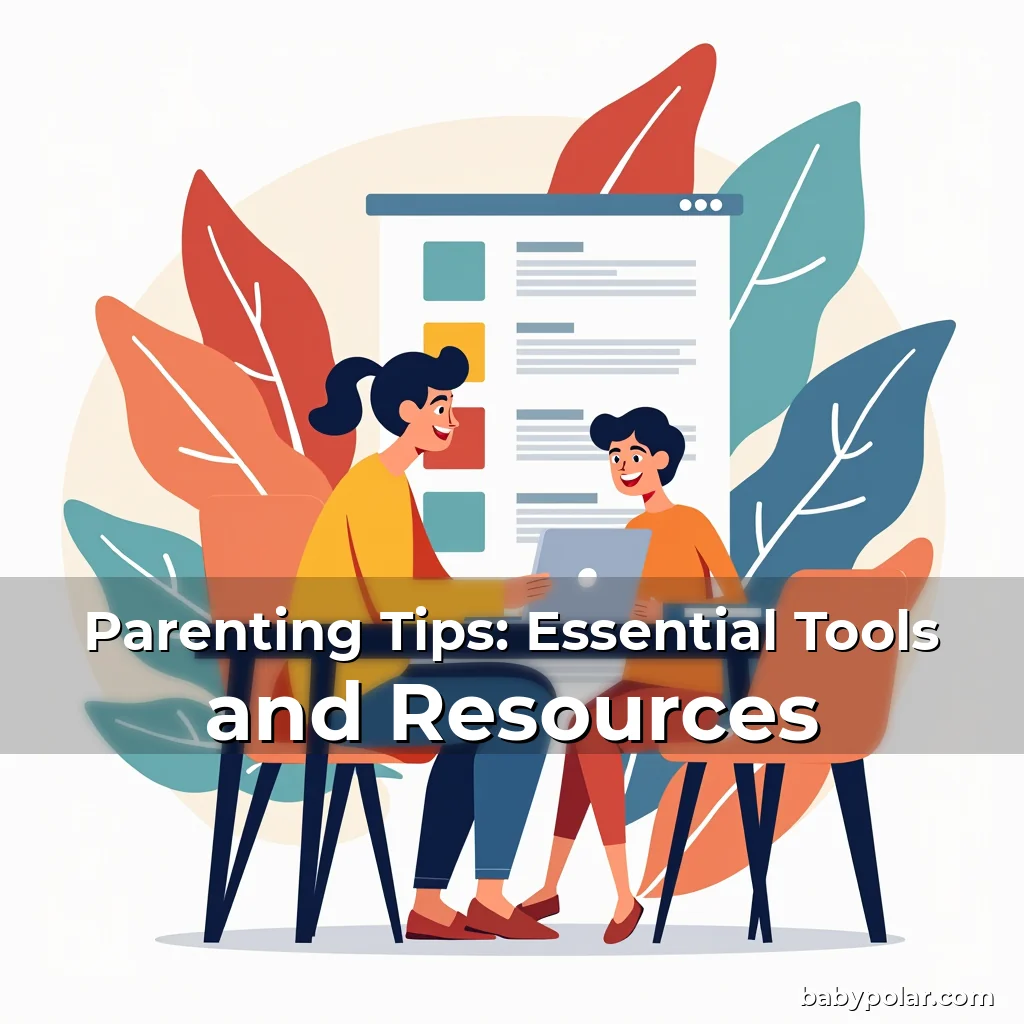
Parenting Tips: Essential Tools and Resources
In today’s fast-paced world, raising children requires not only love but also informed strategies that adapt to modern challenges. The Babypolar community understands the importance of equipping parents with practical tools and knowledge to navigate parenting confidently.
This guide offers a curated collection of essential parenting tips designed to empower caregivers at every stage of their child’s development. Whether you’re new to parenthood or seeking fresh perspectives, these insights will help create a nurturing environment for your little ones.
The Power of Consistency in Parenting
Consistency is often overlooked yet plays a crucial role in shaping a child’s behavior and emotional well-being. When routines are predictable, children feel secure and develop trust in their surroundings.
Establishing consistent bedtime schedules can significantly reduce tantrums and promote better sleep habits. Similarly, maintaining uniform rules across different settings helps reinforce positive behaviors without confusion.
- Daily Routines: Implement structured daily activities such as meal times, play sessions, and reading periods to provide stability.
- Rule Enforcement: Ensure that disciplinary actions are applied consistently so children understand expectations clearly.
- Communication Style: Keep interactions clear and straightforward to avoid misunderstandings and foster open dialogue.
A study published in the Journal of Child Development found that children raised in environments with high consistency showed improved self-regulation skills by age five compared to those exposed to inconsistent parenting styles.
This research underscores how vital it is to maintain steady approaches when addressing behavioral issues or setting boundaries within the home environment.
Cultivating Emotional Intelligence from an Early Age
Emotional intelligence refers to recognizing, understanding, and managing emotions effectively—skills that lay the foundation for healthy relationships later in life. Teaching these abilities early enables children to handle stressors more gracefully.
Parents can model empathy through simple gestures like acknowledging feelings during difficult moments. Encouraging expression of emotions using words rather than actions fosters healthier communication patterns among family members.
An effective method involves naming emotions explicitly; saying “I see you’re feeling sad” validates the child’s experience while teaching appropriate language around complex feelings.
Engaging in pretend play allows kids to explore various scenarios safely under adult supervision. This imaginative exercise promotes problem-solving capabilities alongside emotional awareness.
Strategies for Enhancing Empathy Levels
Encouraging perspective-taking exercises where children imagine themselves in another person’s situation builds foundational empathy skills. Simple stories or role-playing games serve as excellent platforms for practicing compassion towards others.
Research conducted by the University of Cambridge revealed that children who participated regularly in empathetic training programs exhibited increased prosocial behaviors over time compared to peers who did not engage in similar practices.
These findings highlight the long-term benefits associated with cultivating strong emotional intelligence right from infancy onwards—an investment yielding dividends throughout future interpersonal relationships.
Nurturing Independence Through Age-Appropriate Tasks
Allowing children opportunities to perform tasks suitable for their developmental level encourages autonomy and confidence building. From tying shoelaces to organizing toys independently, small victories contribute positively toward overall growth.
Gradually increasing responsibility based on age ensures that each challenge remains manageable yet meaningful enough to motivate continued effort. Celebrating successes reinforces motivation levels significantly.
Introducing decision-making processes even in minor choices empowers young minds to think critically about options available before making selections.
Creating safe spaces where mistakes are viewed constructively rather than punishment-wise nurtures resilience against failure fears commonly seen amongst developing individuals.
Building Strong Family Bonds Through Quality Time
Quality time spent together strengthens familial connections by creating shared memories and reinforcing mutual respect between generations involved. Activities chosen should reflect interests common across ages whenever possible.
Regularly scheduled family dinners offer prime opportunities for bonding while promoting good eating habits simultaneously. These gatherings encourage conversation flow naturally leading up to deeper discussions sometimes unexpected but beneficial nonetheless.
Scheduled game nights featuring board games or card sets cater specifically towards interactive engagement without electronic distractions dominating attention spans excessively.
Outdoor excursions exploring nature trails or visiting local parks expose participants physically active lifestyles which have proven health advantages coupled with social interaction elements too.
Fostering Healthy Communication Habits Within Families
Open lines of communication ensure that concerns get addressed promptly preventing escalation into bigger problems down the road. Parents must lead by example demonstrating respectful listening techniques consistently.
Active listening entails giving full undivided attention rather than merely waiting for turn to speak oneself. Nonverbal cues such eye contact further emphasize sincerity behind messages conveyed verbally.
Prompt responses show appreciation for what has been said thereby encouraging honest exchanges going forward regardless of subject matter discussed.
Teaching conflict resolution methods becomes increasingly relevant as kids grow older learning peaceful ways dealing disagreements instead resorting physical altercations typically observed among untrained youth groups.
Managing Screen Time Effectively For Optimal Growth
While digital media provides educational resources beneficial especially younger learners still grasping basic literacy concepts, moderation remains key factor determining whether exposure proves advantageous or detrimental overall.
Setting strict limits regarding duration spent viewing screens prevents excessive dependency forming potentially hindering face-to-face interaction chances necessary normal human development stages.
Opting for content rated appropriately according to age guidelines guarantees material encountered aligns closely with cognitive maturity levels currently being experienced personally.
Co-viewing episodes followed by discussion prompts enhances comprehension retention rates substantially compared solely passive watching alone typically performed without subsequent reflection phases included afterward.
Support Systems That Aid Successful Parenting Journeys
Leveraging support networks composed fellow parents sharing experiences openly reduces isolation sentiments often felt particularly challenging initial months postpartum period especially mothers encountering difficulties adjusting roles suddenly thrust upon them unexpectedly.
Professional counseling services become indispensable resource whenever personal struggles exceed capacity managed internally alone requiring external assistance specialized trained experts capable providing tailored solutions precisely fitting individual circumstances faced uniquely.
Local community centers frequently organize workshops covering diverse topics ranging infant care basics through adolescence transition management ensuring attendees gain access latest information continually evolving field continuously updated based recent studies conducted globally.
Online forums dedicated exclusively parent-child relationship dynamics allow real-time troubleshooting queries answered swiftly reducing anxiety caused uncertainty surrounding optimal course action required handling particular situations arising unpredictably occasionally.
Conclusion
Raising children successfully demands intentional efforts focusing both emotional needs met along side academic achievements pursued diligently simultaneously. Balancing responsibilities efficiently lays groundwork solid foundation supporting lifelong happiness achieved collectively by entire family unit engaged wholeheartedly throughout process.
By applying these parenting tips thoughtfully considering unique characteristics inherent every child individually, caregivers cultivate resilient confident future generations ready embrace whatever challenges await ahead fearlessly armed preparedness gained via nurturing environments created lovingly attentively maintained persistently over years invested wisely.


news is a contributor at BabyPolar. We are committed to providing well-researched, accurate, and valuable content to our readers.
You May Also Like


Boundaries with Baby Monitors: A Delicate Balance
Why Baby Monitors are a Game-Changer for New Parents Peace of mind: Baby cams allow parents to keep an eye...


Advanced Baby Care Essentials Techniques and Methods
The Ultimate Toolkit for New Parents: Essential Baby Care Items That Matter Most Welcome to the world of parenthood! As...

Baby Fashion Step-by-Step Tutorial
The Ultimate Baby Fashion Journey: Styling Tips & Trends for Every Season In an era where even infants are celebrated...
Parenting Resources vs Alternatives: Complete Comparison
Parenting Resources vs Alternatives: Complete Comparison In today's fast-paced world, parents face unprecedented challenges and opportunities when navigating early childhood...