


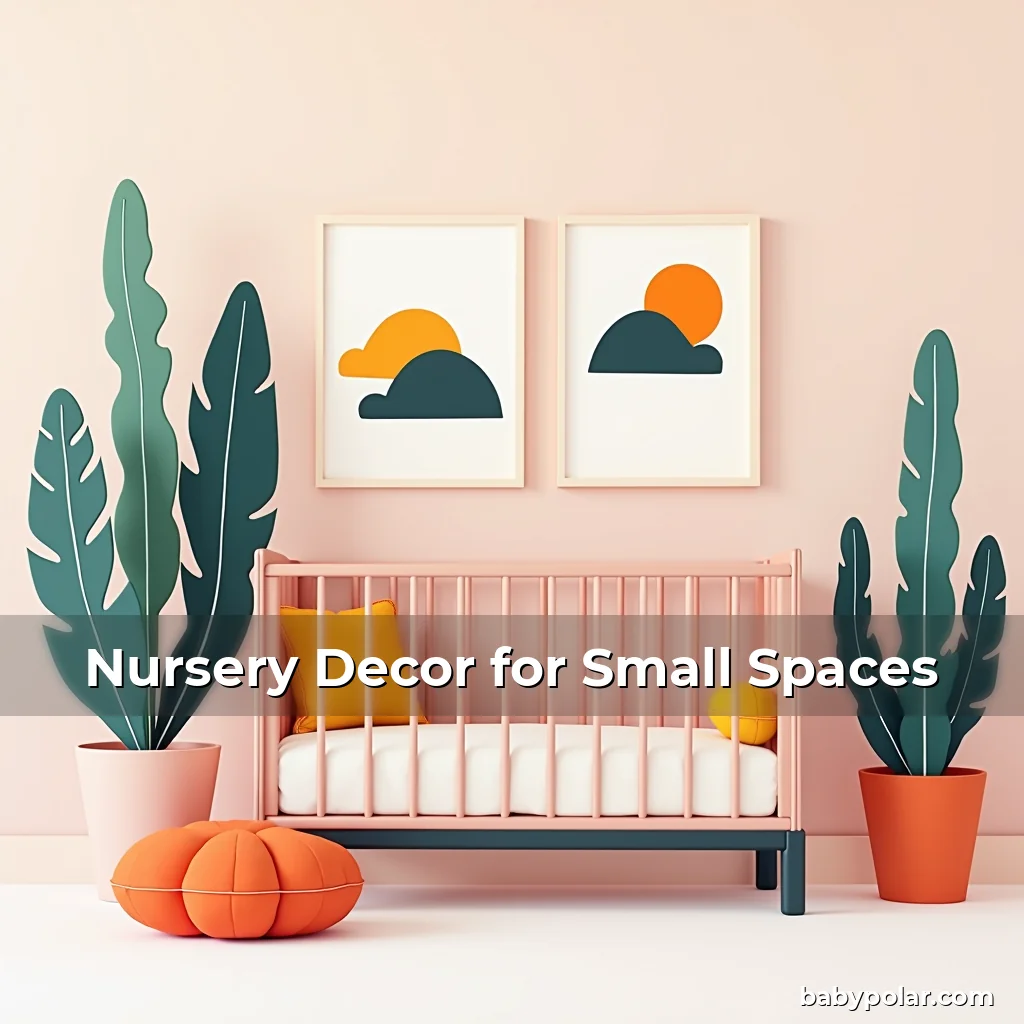
Nursery Decor for Small Spaces
In today’s urban living scenarios, creating a beautiful nursery within compact spaces is both a challenge and an opportunity. Whether you’re renting a small apartment or downsizing your home, thoughtful design choices can transform even the tiniest room into a cozy haven for your baby.
This guide focuses specifically on maximizing limited square footage while ensuring comfort, safety, and style. We’ll explore creative solutions that balance functionality with aesthetic appeal without sacrificing quality or charm.
The Power of Color Psychology in Nurseries
Color plays a crucial role in shaping a child’s environment and emotional well-being. Choosing the right palette goes beyond aesthetics; it influences mood, behavior, and development from the earliest stages.
Warm tones such as soft yellows, oranges, and greens promote feelings of warmth, energy, and growth. These colors are particularly effective in stimulating creativity and curiosity in young children.
Cool hues like blues and purples create calmness and tranquility. Studies suggest these shades help regulate sleep patterns and reduce anxiety levels, making them ideal for nap times or bedtime routines.
- Bright reds and pinks may overstimulate sensitive newborns but work well for older toddlers who thrive on vibrant environments
- Neutral grays and beiges offer versatility by allowing easy updates through accessories rather than full repaints
- Multicolored themes provide opportunities for personalized storytelling and imaginative play development
Consider combining different color schemes strategically – use bold accent walls for visual interest while maintaining neutral backgrounds for flexibility during future redecors.
Space-Saving Furniture Solutions
Selecting the right furniture makes all the difference when working with limited space. Multi-functional pieces become essential components of any smartly designed nursery layout.
Convertibles offer exceptional value by transforming from cribs to toddler beds and eventually into daybeds or sofa-style seating units. This adaptability ensures long-term usability despite changing developmental needs.
Folding options such as wall-mounted changing tables or drop-down dressers save significant floor area when not in active use. Look for models with built-in storage compartments to maximize organizational efficiency.
Invest in built-in cabinetry systems along with closet walls where possible. Customized shelving allows seamless integration of toys, books, and essentials while keeping clutter at bay.
Optimize vertical space by installing shelves above cribs or using hanging organizers beneath windowsills. Every inch counts when creating functional yet aesthetically pleasing arrangements.
Don’t overlook mattress height adjustability features which allow gradual transitions between different sleeping positions as babies grow larger and develop mobility skills.
Lastly, consider mirrored surfaces placed cleverly around the room – they create illusions of expanded space and also serve practical purposes during diaper changes or bath time preparations.
Lighting Strategies for Cozy Ambiance
Appropriate lighting sets the tone for daytime activities and nighttime restfulness alike. Layered approaches combine natural light sources with carefully selected artificial illumination techniques.
Maximize sunlight exposure by positioning window treatments wisely. Sheer curtains let daylight filter naturally while still providing privacy controls through adjustable blinds or drapes.
Dimmable overhead lights enable customization based on daily tasks – brighter settings for feeding sessions versus softer glow during storytime moments.
Task lighting near reading corners or changing stations improves visibility without overwhelming the entire space. Adjustable arm lamps allow targeted illumination exactly where needed most.
Decorative string lights add whimsical touches especially useful in darker months or for special occasions like birthdays or holiday celebrations.
Consider installing smart LED bulbs capable of adjusting color temperature according to time-of-day schedules automatically. This technology supports healthy circadian rhythms beneficial for infant sleep patterns.
Incorporating Educational Elements Into Design
Educational aspects shouldn’t be overlooked simply because space constraints exist. Thoughtful placement of learning materials fosters early cognitive development through interactive engagement.
Wall decals featuring numbers, letters, shapes, or animals act as subtle teaching tools embedded within everyday surroundings. These visual cues reinforce recognition skills during routine interactions.
Sensory boards mounted high enough out of reach contain various textures, sounds, and movable parts that stimulate motor coordination and sensory processing abilities.
Interactive mirrors equipped with educational features such as phonics lessons or counting games make bath time or dressing up sessions double as learning experiences.
Leverage available surface areas creatively – use backs of doors for chalkboards promoting artistic expression or install magnetic whiteboards on cabinet fronts for spontaneous drawing sessions.
Creating Safe Zones Within Limited Space
Safety remains paramount when designing nurseries regardless of size limitations. Strategic zoning helps establish designated areas fulfilling distinct functions without overcrowding the space.
Designate separate zones for sleeping, playing, eating, and changing to maintain organization and prevent accidents caused by disarray. Visual boundaries like rugs or tape markers distinguish each function clearly.
Use corner guards on sharp edges of furniture to protect little ones from potential injuries. Soft padding provides extra cushioning against falls common among crawling infants.
Install safety gates at entrances leading away from the nursery if necessary. Choose pressure-mounted styles avoiding hardware installations which might damage rental properties or require landlord approvals.
Ensure electrical outlets have protective covers installed before any electronic devices go in place. Secure heavy furniture items properly against tipping hazards using L-brackets or other anchoring mechanisms recommended by manufacturers.
Avoid placing fragile decorative objects within easy reach unless securely fastened. Opt instead for durable materials resistant to chewing or scratching behaviors typical of teething phases.
Personalization Through Themed Designs
Infusing personal elements adds character to otherwise uniform designs found in commercial products. Unique themes reflect individual preferences while fostering early connections between parents and their newborns.
Choose themes based on family interests, cultural heritage, or favorite stories from picture books read frequently together. Personalized themes cultivate stronger emotional bonds through shared narratives.
Create custom artwork incorporating family names, birth dates, or beloved pets enhances uniqueness significantly compared to mass-produced alternatives readily available online.
Coordinate accessories consistently across different thematic categories – matching bedding sets, coordinating wall art pieces, and themed blankets contribute cohesively toward unified visual identities.
Consider seasonal variations within chosen themes – winter snowflakes complement summer sun motifs easily depending upon current weather conditions outside.
DIY Projects That Add Character Without Cost Overruns
Resourcefulness shines brightest when budget restrictions apply strictly. Many charming additions originate from simple household items repurposed thoughtfully under careful consideration.
Repurpose old clothes into washcloths, burp cloths, or quilted blankets retaining sentimental value through familiar scents associated with parental wear.
Paint empty jars collected from grocery stores then fill them with cotton balls serving dual purpose as decorative accents plus soothing comforters used during naptimes.
Utilize leftover fabric scraps from previous sewing projects to craft colorful poufs adding texture contrast against smooth surfaces elsewhere in the room.
Assemble wooden blocks painted brightly with numbers/letters forming mobiles suspended above crib areas encouraging eye tracking exercises beneficial for developing vision capabilities.
Tips for Maintaining Cleanliness Amidst Limited Square Footage
Precise maintenance routines prove vital in preventing chaos accumulation often resulting from constant messes generated daily in occupied nurseries.
Implement strict cleaning schedules
focused on key trouble spots like changing tables, floor coverings, and high-touch surfaces regularly sanitized following established hygiene protocols.
Store cleaning supplies efficiently utilizing designated containers kept behind closed doors accessible only to responsible caretakers reducing risks posed by curious hands exploring potentially hazardous substances.
Employ vacuum cleaners fitted with HEPA filters effectively trapping allergens commonly found lingering indoors despite regular cleanups conducted diligently throughout weeklong periods.
Keep extra linens organized neatly folded inside bins marked clearly indicating contents facilitating quick access whenever replacements become necessary unexpectedly.
Conclusion
Transforming small spaces into nurturing environments requires strategic planning combined with imaginative problem-solving skills. Every element introduced must serve dual purposes enhancing both utility and beauty simultaneously.
By focusing on adaptable furniture selections, intelligent color usage, safe zone divisions, and meaningful personalizations, families can achieve stunning results meeting all requirements imposed by spatial limitations present initially encountered upon beginning this exciting journey called parenthood.


news is a contributor at BabyPolar. We are committed to providing well-researched, accurate, and valuable content to our readers.
You May Also Like


Infant Development Best Practices 2025
Infant Development Best Practices 2025 In 2025, the landscape of infant development continues to evolve rapidly, driven by advancements in...

Best Family Bonding Activities Tips and Strategies
The Art of Connection: Creative Ways to Strengthen Family Bonds Through Shared Experiences In today's fast-paced world filled with screens...

Professional Baby Gear Reviews: Advanced Techniques
The Ultimate Handbook to Navigating Baby Gear Reviews: Insights from Industry Experts In an era where online shopping dominates parenting...

Baby Gear Reviews Step-by-Step Tutorial
The Ultimate Baby Gear Review Handbook: Everything You Need to Know Before Buying In today’s world, choosing baby gear can...