


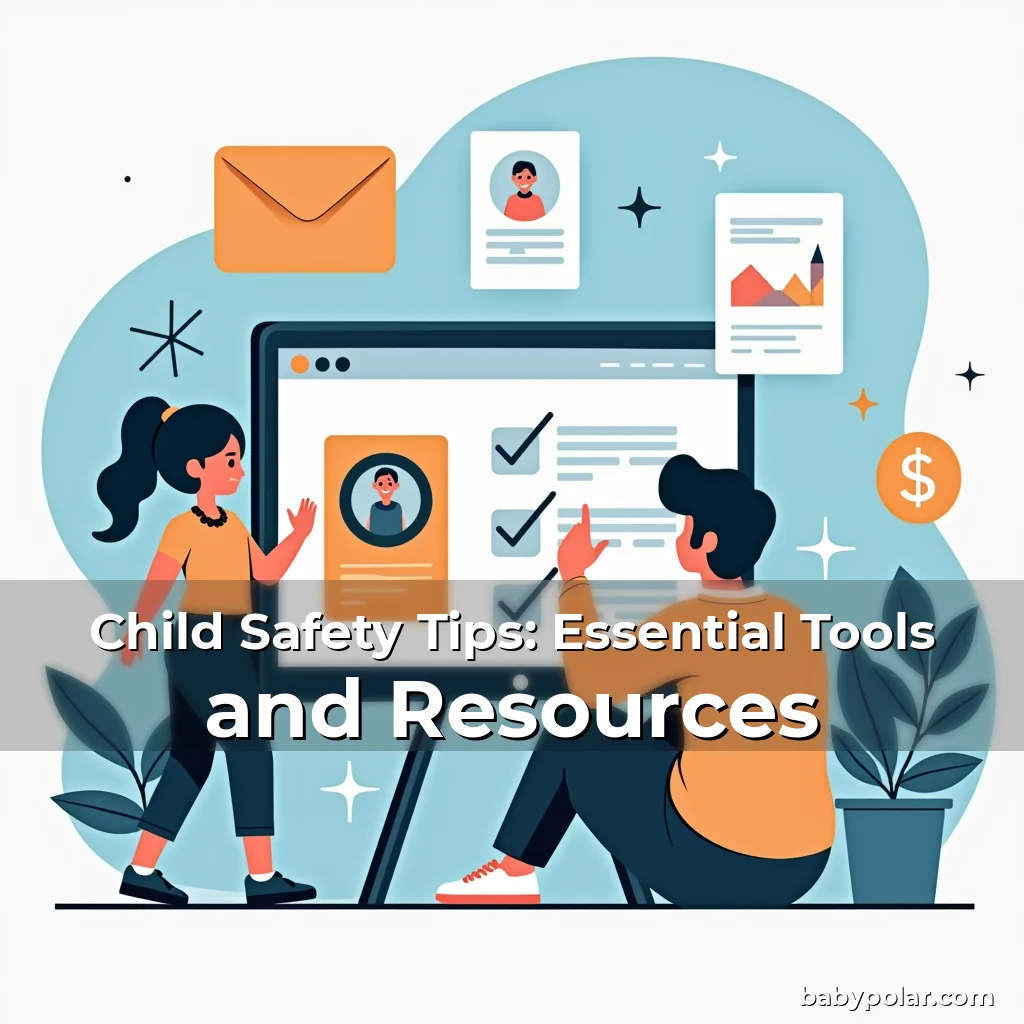
Child Safety Tips: Essential Tools and Resources
In today’s fast-paced world, ensuring child safety is a top priority for parents, caregivers, and communities alike. With so many potential hazards lurking both at home and outdoors, having reliable tools and resources can make all the difference in protecting our most precious young ones.
The Babypolar community has long recognized that proactive measures are crucial when it comes to keeping children safe. From baby-proofing homes to teaching essential life skills, there’s an entire ecosystem of strategies designed specifically for different age groups and situations.
Creating a Safe Home Environment
A secure home environment forms the foundation of any child’s well-being. Parents should start by identifying common household dangers such as sharp objects, electrical outlets, and cleaning supplies.
Installing outlet covers and using furniture anchors are simple yet effective ways to prevent accidents. These small investments can significantly reduce risks associated with curious toddlers exploring their surroundings.
- Furniture Anchors: Prevent tipping over of heavy items like bookshelves and TVs which could cause serious injury during a fall.
- Outlet Covers: Stop children from inserting foreign objects into sockets, reducing the risk of electric shocks and fires.
Supervision Strategies for Different Age Groups
Effective supervision varies depending on a child’s developmental stage. Infants require constant visual contact while older kids need guidance rather than direct monitoring.
For babies under two years old, maintaining close proximity within arm’s reach is vital. This allows immediate response time in case of sudden movements or unexpected incidents.
Age-Specific Supervision Needs
Preschoolers aged three to five benefit from structured routines that include regular check-ins every fifteen minutes. This helps maintain consistency without being overly restrictive.
Toddlers between one and two years old may need additional support due to increased mobility. Using gates at staircases and doorways provides physical barriers while still allowing exploration within safe boundaries.
Emergency Preparedness Essentials
Being prepared for emergencies ensures quicker responses during critical moments. Families should create personalized emergency plans tailored to each member’s needs and abilities.
An up-to-date first aid kit containing bandages, antiseptic wipes, and burn cream should be easily accessible near medical care areas like bathrooms and kitchens.
- Contact Information: Maintain printed copies of emergency numbers including poison control centers and pediatricians’ phone numbers.
- Baby Sitters Toolkit: Prepare a special bag with essentials like diapers, formula, and extra clothing for babysitters who might need to handle unexpected situations independently.
Teaching Basic Life Skills Early On
Introducing fundamental safety lessons early helps build lifelong habits. Children learn best through repetition and consistent reinforcement across various settings.
Simple rules like not talking to strangers and staying away from busy roads should become part of daily conversations. Reinforcing these messages through role-play scenarios makes learning more engaging.
Interactive Learning Methods
Using educational toys that teach traffic signs or interactive games about stranger danger increases retention rates among young learners. These activities transform abstract concepts into tangible experiences.
Demonstrating proper handwashing techniques before meals encourages good hygiene practices that protect against illness transmission. Making it fun with songs or timers keeps children motivated.
Outdoor Safety Considerations
When venturing outside, parents must consider environmental factors that pose unique risks. Sun protection, insect repellent, and appropriate footwear are essential components of outdoor preparation.
Checking weather forecasts beforehand helps avoid exposure to extreme temperatures or severe storms that could endanger children playing outdoors unsupervised.
- Sunscreen Application: Apply broad-spectrum SPF 30+ sunscreen thirty minutes prior to sun exposure to ensure adequate coverage.
- Water Safety Gear: Always use properly fitted life jackets around bodies of water even if swimming isn’t planned, as slips can happen unexpectedly.
Internet Safety Measures for Digital Natives
With technology becoming increasingly integrated into childhood, online safety is now a primary concern for modern families. Setting clear digital boundaries prevents access to inappropriate content while promoting responsible usage patterns.
Parental controls on devices help filter out harmful material without completely restricting internet access. Regularly reviewing browsing history maintains awareness of what children encounter online.
Encouraging Healthy Online Habits
Promoting open communication about online experiences fosters trust and enables timely intervention when concerning behavior emerges. Teaching children to recognize suspicious links or phishing attempts builds cyber resilience.
Establishing screen time limits according to recommended guidelines helps balance virtual engagement with real-world interactions necessary for healthy development.
Community Resources for Child Protection
Leveraging local community services enhances overall child safety efforts beyond individual responsibility alone. Neighborhood watch programs play a significant role in preventing crimes targeting vulnerable populations.
Participating in school-based safety initiatives creates collective awareness regarding bullying prevention and emergency procedures within educational institutions.
- CCTV Cameras: Installing surveillance systems in public spaces deters criminal activity and aids law enforcement investigations.
- Playground Inspections: Regular maintenance checks identify hazardous conditions at recreational facilities where children frequently gather.
Health and Nutrition Guidelines
Maintaining optimal health through balanced nutrition supports stronger immune systems capable of fighting off illnesses effectively. Meal planning based on nutritional requirements ensures children receive essential vitamins and minerals.
Limiting processed food intake reduces exposure to unhealthy additives commonly found in packaged snacks. Encouraging fresh fruit consumption instead promotes better dietary choices naturally.
- Hunger Management: Establishing predictable meal times regulates appetite cycles and prevents excessive snacking behaviors.
- Allergy Awareness: Keeping detailed records of known allergies enables prompt action if accidental exposures occur during social gatherings or school events.
Transportation Safety Practices
Ensuring road trip safety requires careful attention to vehicle readiness and passenger protocols. Car seats must be correctly installed following manufacturer instructions for maximum effectiveness.
Always securing loose items inside vehicles prevents distractions caused by shifting cargo during travel. Utilizing seat belts appropriately protects everyone involved regardless of seating position.
- Car Seat Selection: Choose car seats rated suitable for your child’s height and weight specifications; never place infants rear-facing unless absolutely necessary.
- Educational Materials: Provide age-appropriate books explaining transportation rules to reinforce safe behaviors during rides.
Emotional Wellbeing and Psychological Safety
Supporting emotional growth lays groundwork for psychological security later in life. Recognizing signs of distress early allows timely interventions addressing underlying issues promptly.
Creating open channels for expressing feelings encourages honest dialogue about fears or anxieties related to personal space violations or other troubling experiences.
- Confidential Reporting Systems: Implement anonymous reporting mechanisms enabling disclosure of uncomfortable situations without fear of repercussions.
- Therapeutic Services: Access professional counseling options available locally to address complex behavioral challenges requiring specialized expertise.
Continuous Education Through Workshops and Seminars
Staying informed about evolving safety standards demands ongoing education opportunities provided by reputable organizations focused exclusively on child welfare topics.
Attending workshops covering current research findings empowers individuals with knowledge applicable directly to everyday parenting decisions affecting children positively.
- Workshop Topics: Include subjects ranging from CPR training sessions to cybersecurity seminars addressing emerging threats facing younger generations digitally.
- Hands-On Training: Participate in practical demonstrations showing correct application methods for first aid techniques or fire escape drills reinforcing memory recall accurately.
Building Resilience Against Common Dangers
Developing adaptive coping mechanisms strengthens children’s ability to navigate potentially dangerous situations confidently. Role-playing exercises simulate realistic scenarios helping them practice problem-solving skills safely.
Exposing kids gradually to mildly challenging environments boosts confidence levels required for independent decision-making processes involving risk assessment calculations mentally.
- Risk Assessment Games: Play board games incorporating elements of strategic thinking where players evaluate potential outcomes systematically before making choices.
- Simulation Activities: Conduct mock rescue operations using toy figures demonstrating how to respond appropriately during simulated crises enhancing situational awareness capabilities practically.
Conclusion
Implementing comprehensive safety strategies protects children from diverse threats they face regularly. Combining preventive actions with responsive measures creates robust safeguards supporting holistic wellbeing throughout formative years.
By actively utilizing available resources and remaining vigilant, we empower ourselves to provide safer living conditions that nurture growth securely while minimizing unnecessary risks effectively.


news is a contributor at BabyPolar. We are committed to providing well-researched, accurate, and valuable content to our readers.
You May Also Like


Baby and Child Safety: A Closer Look at the Industry
As a soon-to-be first-time mom herself, PJ Randhawa, along with NBC 5 Responds Consumer Investigative Producer and new mom, Leigh...

Quick Sustainable Baby Products Solutions Under 30 Minutes
Quick Sustainable Baby Products Solutions Under 30 Minutes In an era where environmental consciousness shapes consumer choices, parents are increasingly...

Quick Parenting Blogs Solutions Under 30 Minutes
Quick Parenting Blogs Solutions Under 30 Minutes In today’s fast-paced world, parents often find themselves juggling numerous responsibilities that leave...
Baby Care Essentials Best Practices 2025
Baby Care Essentials Best Practices 2025 In an era where modern parenting is increasingly data-driven and scientifically informed, ensuring your...